Culture

Join PandaCommon: Become a Citizen Scientist for Pandas

PandaCommon is more than a website — it's a growing community of panda enthusiasts, researchers, and citizen scientists who contribute to the world's most comprehensive panda knowledge base. This article invites readers to participate: suggest corrections, share observations, contribute photos, and help build the definitive digital archive of giant panda history.

⏱️ 2 min read
general level
5 tags
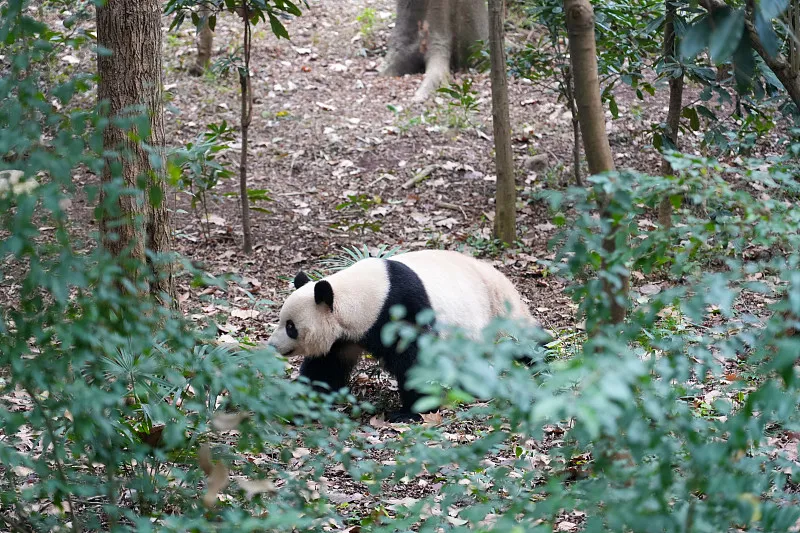
Cover image for Join PandaCommon: Become a Citizen Scientist for Pandas — a giant panda related article on Pandacommon
Mentions: 🐼 Po🐼 Po
📑 Table of Contents (3 sections)

Key Takeaways

  • 1 PandaCommon is a community-built knowledge base — your contributions matter.
  • 2 Anyone can participate — report errors, share news, contribute photos, suggest topics.
  • 3 Citizen science is real conservation — your observations and knowledge directly improve the global understanding of pandas.

Join PandaCommon: Become a Citizen Scientist for Pandas

Key Fact: PandaCommon is not a static encyclopedia — it is a living knowledge base built and maintained by a global community of panda enthusiasts, researchers, and citizen scientists. Every correction submitted, every photograph shared, every observation reported contributes to the world’s most comprehensive digital archive of giant panda history. You don’t need a degree in zoology to contribute. You need accurate information, a passion for pandas, and a willingness to help build something larger than yourself.

Key Takeaways

  1. PandaCommon is a community-built knowledge base — your contributions matter.

  2. Anyone can participate — report errors, share news, contribute photos, suggest topics.

  3. Citizen science is real conservation — your observations and knowledge directly improve the global understanding of pandas.

The panda database you’ve been exploring — the 663+ profiles, the 58 locations, the thousands of family relationships — did not build itself. It was built by people: researchers who spent decades in the field, keepers who recorded daily observations, and members of the public who noticed errors, suggested corrections, and shared knowledge.

PandaCommon continues this tradition. The knowledge base is never finished — new pandas are born, existing pandas move, records are refined, and occasionally, errors are discovered and corrected. Every contribution from the community makes the knowledge base more accurate, more complete, and more valuable for conservation.

How to Contribute

Report errors. Found an incorrect birth date? A missing sibling? Outdated location information? Use the feedback mechanism to report it. Include your source if possible.

Share news. Maintained a panda blog? Follow panda news closely? Your knowledge of recent events — births, transfers, health updates — helps keep the database current.

Contribute photos. Have high-quality photographs of pandas, with proper credits and permissions? Visual documentation enriches the knowledge base.

Spread the word. The more people who know about and use PandaCommon, the more valuable the platform becomes — for researchers, for conservation, and for panda enthusiasts worldwide.

Our article on the PandaCommon data methodology explains how all contributed information is verified before being incorporated.

Why It Matters

Every piece of accurate data matters. When a student writes a research paper, a journalist fact-checks an article, or a conservationist plans a breeding recommendation, they may be relying on data that you helped make accurate. Your contribution — however small it feels — is part of the global infrastructure of panda knowledge.


The panda knowledge base grows one contribution at a time. Yours could be the next one. Not because you’re the world’s greatest panda expert — but because you noticed something, checked something, shared something. That’s how knowledge is built. That’s how species are saved.
🐼

Pandacommon Editorial Team

Pandacommon is a global knowledge project documenting giant pandas, habitats, and conservation history. We combine verified data with engaging storytelling to build the world's most comprehensive panda knowledge base.

Learn more about our mission →

Article Tags

communitycitizen-sciencecontributeparticipateopen-data

Frequently Asked Questions

How can I contribute to PandaCommon?

You can contribute by reporting errors or outdated information in panda profiles, sharing verified panda news and location updates, contributing photographs (with proper credits and permissions), suggesting new articles or topics, and spreading the word about PandaCommon to panda enthusiasts worldwide.

Do I need to be a scientist to contribute?

No. PandaCommon welcomes contributions from anyone with accurate information and a passion for pandas. Professional scientists review significant data changes, but anyone can report observations, suggest corrections, or contribute content. Citizen science — the involvement of non-professionals in scientific work — is central to PandaCommon's mission.

Related Articles

Cover image for "How Much to Adopt a Panda? Corporate Sponsorship and CSR Guide"
Culture 📚 general

How Much to Adopt a Panda? Corporate Sponsorship and CSR Guide

Panda adoption and corporate sponsorship programs fund millions in conservation annually. This article explains how panda adoptions work, what they cost, what sponsors receive in return, and how corporate panda partnerships function as both conservation funding and brand strategy.

adoption sponsorship corporate +2
Read article
Cover image for "ZooParc de Beauval and Yuan Meng: France's Intimate Panda Love Affair"
Culture 📚 general

ZooParc de Beauval and Yuan Meng: France's Intimate Panda Love Affair

When Yuan Meng was born at ZooParc de Beauval in 2017 — the first panda cub ever born in France — it was a national event. First Lady Brigitte Macron became his godmother. Millions of French visitors have since made the pilgrimage to the Loire Valley to see him. This article tells the story of France's panda program and the cub who became a French cultural phenomenon.

france beauval yuan-meng +2
Read article
Cover image for "How to Become a Panda Keeper: More Than Just Shoveling Poo"
Featured
Culture 📚 general

How to Become a Panda Keeper: More Than Just Shoveling Poo

Becoming a panda keeper is statistically harder than gaining admission to many elite universities — annual acceptance rates at the Chengdu Research Base are below 5%. This article explores the education, physical demands, emotional resilience, and daily realities of panda keeping, featuring interviews with keepers who describe their work as 'the most difficult, least glamorous, and most meaningful job in animal care.'

career keeper job +2
Read article

Latest Articles

View all →
Cover image for "How Much to Adopt a Panda? Corporate Sponsorship and CSR Guide"
Culture 📚 general

How Much to Adopt a Panda? Corporate Sponsorship and CSR Guide

Panda adoption and corporate sponsorship programs fund millions in conservation annually. This article explains how panda adoptions work, what they cost, what sponsors receive in return, and how corporate panda partnerships function as both conservation funding and brand strategy.

adoption sponsorship corporate +2
Read article
Cover image for "ZooParc de Beauval and Yuan Meng: France's Intimate Panda Love Affair"
Culture 📚 general

ZooParc de Beauval and Yuan Meng: France's Intimate Panda Love Affair

When Yuan Meng was born at ZooParc de Beauval in 2017 — the first panda cub ever born in France — it was a national event. First Lady Brigitte Macron became his godmother. Millions of French visitors have since made the pilgrimage to the Loire Valley to see him. This article tells the story of France's panda program and the cub who became a French cultural phenomenon.

france beauval yuan-meng +2
Read article
Cover image for "How to Become a Panda Keeper: More Than Just Shoveling Poo"
Featured
Culture 📚 general

How to Become a Panda Keeper: More Than Just Shoveling Poo

Becoming a panda keeper is statistically harder than gaining admission to many elite universities — annual acceptance rates at the Chengdu Research Base are below 5%. This article explores the education, physical demands, emotional resilience, and daily realities of panda keeping, featuring interviews with keepers who describe their work as 'the most difficult, least glamorous, and most meaningful job in animal care.'

career keeper job +2
Read article

Explore More in the Library

Discover more articles about giant pandas, their biology, conservation, and cultural significance.