Dan Dan
旦旦
30 years old
Kobe Oji Zoo
Dan Dan (旦旦, studbook #434), originally named Shuang Shuang (爽爽), was a female giant panda born on September 16, 1995 at...
View profilePlace archive
Kobe Oji Zoo is an important location for giant panda conservation, research, and public education.
Kobe Oji Zoo houses giant pandas under international loan agreement with the China Conservation and Research Center, as part of the cooperative panda diplomacy and ex-situ conservation network.
How this page is organized
This page gathers the residents linked to Kobe Oji Zoo, the key moments recorded here, nearby institutions, and the articles that add context.
Resident archive
2 pandas recorded
Pandas that were once linked to this institution.
旦旦
Dan Dan (旦旦, studbook #434), originally named Shuang Shuang (爽爽), was a female giant panda born on September 16, 1995 at...
View profile龙龙
Long Long was a male giant panda born on September 14, 1995 at Wolong. In 2002, he was sent to Kobe Oji Zoo in Japan to ...
View profileGallery
Images and video connected to Kobe Oji Zoo.
Images and video for Kobe Oji Zoo will be added later.
Recorded moments
Dan Dan passed away at age 28 due to worsening heart disease. She was later appointed a China-Japan Friendship Envoy.
Read updateLong Long died from anesthetic complications during semen collection at Kobe Oji Zoo.
Read updateLong Long arrived at Kobe Oji Zoo as the second Xing Xing.
Read updateDan Dan arrived at Kobe Oji Zoo in Japan as a symbol of hope for the city recovering from the 1995 Great Hanshin Earthquake.
Read updateJin Zhu arrived at Kobe Oji Zoo as the first Xing Xing.
Read updateIn the library
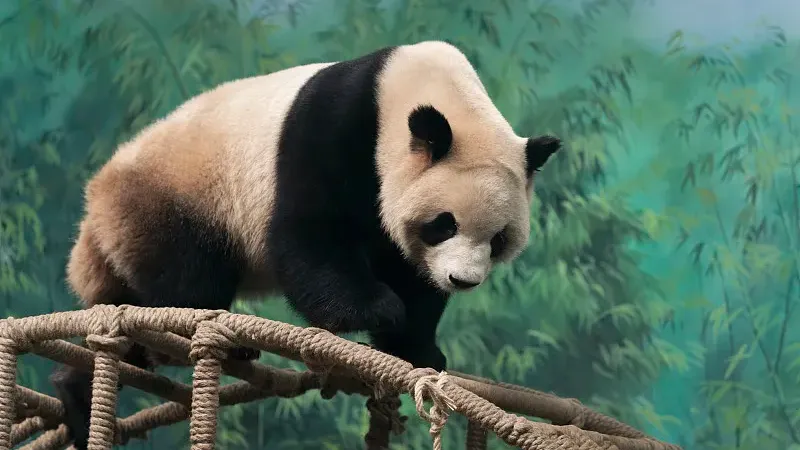
From the 1972 arrival of diplomatic gifts Kang Kang and Lan Lan to the January 2026 departure of Xiao Xiao and Lei Lei, this guide traces every giant panda that has lived in Japan across three institutions — Ueno Zoo, Adventure World in Wakayama, and Kobe Oji Zoo — and explains why Japan, for the first time since 1972, now has none.
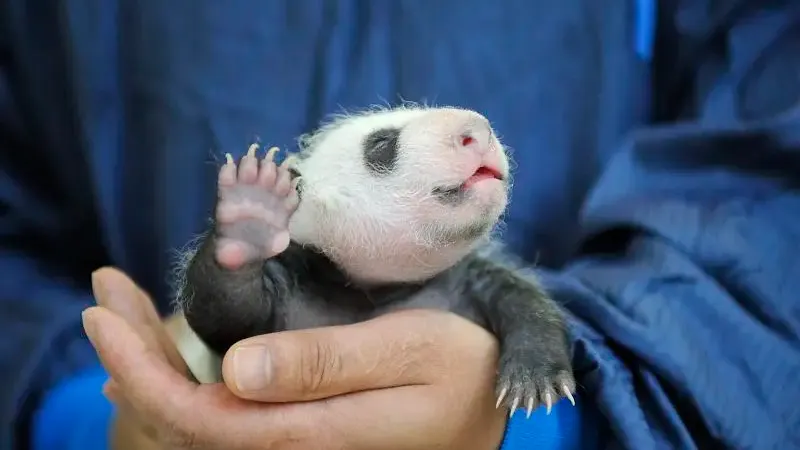
Every captive giant panda on Earth is recorded in a single global database — the International Studbook — which tracks lineage, calculates genetic relatedness, and determines each year's breeding recommendations. This article explains how studbook managers use population genetics software to maintain 90% genetic diversity across 700 captive pandas, making the panda breeding program one of the most mathematically sophisticated conservation efforts in history.
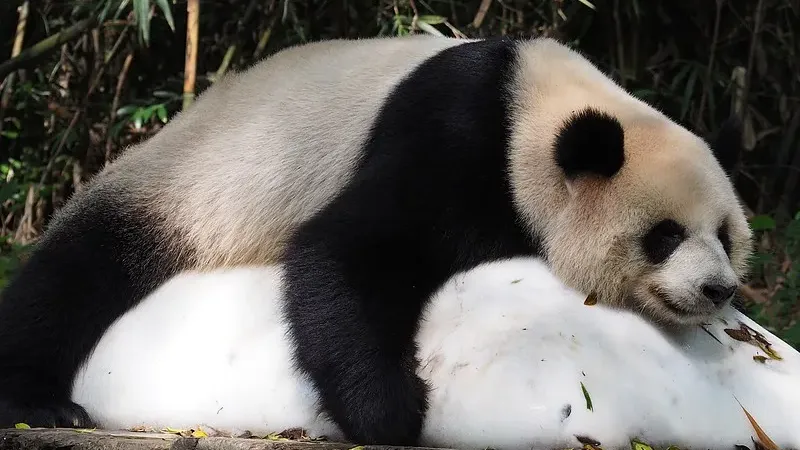
A curated global guide to over 50 panda documentaries spanning seven decades, seven thematic categories, and ten countries — from Pan Wenshi's raw Qinling field recordings in the 1990s to the 2024 Korean theatrical release Goodbye, Grandpa. Every film is verified, reviewed, and linked to the real pandas, keepers, and breeding centers behind the footage.
World map
Coordinates: 34.7069 N, 135.2161 E