Table of contents (9 sections)
5 Simple Ways Kids Can Help Giant Pandas 🌱🐼
Can kids really help pandas? Yes! You do not need to live in China, become a scientist, or have lots of money to care for wildlife.
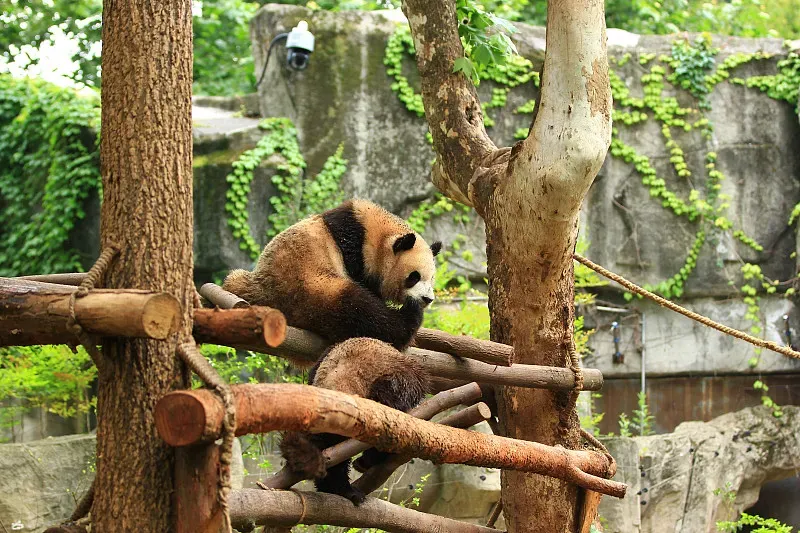
Giant pandas live in cool mountain forests in China, where they depend on bamboo for most of their food. They are no longer listed globally as Endangered, but they are still Vulnerable and need ongoing protection. Their forest homes can be split apart by roads, farms, and other development, making it harder for pandas to travel, find bamboo, and meet other pandas.
The good news: everyday choices at home and school can help you become a thoughtful wildlife helper. Here are five simple ways to start.
Key Takeaways
-
🧻 Use less paper and waste less to show care for forests and natural resources.
-
♻️ Reduce, reuse, and recycle correctly to lower waste and save materials.
-
📣 Share true panda facts so more people understand why panda forests matter.
-
💡 Save energy because climate change can put extra pressure on wildlife habitats.
-
💚 Ask adults to support trusted conservation work that protects forests, wildlife, and local communities.
Why Do Pandas Need Help?
Pandas are famous for being cute, but they are also important because they live in one of the world’s richest temperate forest ecosystems.
Panda forests need to stay connected
A panda needs space to move through forests and find enough bamboo. When a large forest is divided into smaller pieces, pandas may have trouble reaching new food areas or finding mates.
Pandas depend on bamboo
Bamboo is the main food giant pandas eat. Healthy bamboo forests give pandas food, shelter, and places to raise cubs.
Protecting pandas helps other wildlife, too
Pandas are sometimes called an umbrella species. That means when people protect panda habitat, many other animals and plants in the same mountain forests can benefit too.
Want to learn more about connected panda habitat? Read why pandas need bamboo corridors.
1. Use Less Paper and Choose Better Paper Products 🧻
Paper comes from trees, and forests are important homes for wildlife all over the world. You do not have to stop using paper completely. Instead, try to use it wisely and waste less.
Try this today
- Use both sides of each sheet before reaching for new paper.
- Save clean scrap paper for doodles, notes, and small art projects.
- Borrow books from a library or swap books with friends.
- Ask your family to choose recycled paper products when possible.
- Print only when you really need to and use double-sided printing when an adult can help.
Why it helps: Using less paper and choosing recycled or responsibly sourced products can reduce pressure on forest resources. It is one small way to show that forests are worth protecting.
Want to become a smarter eco-shopper? Learn how to read panda-friendly eco labels.
2. Reduce Waste, Reuse What You Have, and Recycle Right ♻️
The best way to reduce waste is to make less of it in the first place. Before you throw something away, ask: “Can I use this again? Can someone else use it? Is it recyclable where I live?”
Try this today
- Bring a reusable water bottle instead of using single-use bottles.
- Pack snacks in reusable containers when your family can.
- Turn jars, boxes, and paper bags into art supplies or storage containers.
- Donate books, toys, and clothes that you no longer use.
- Learn your local recycling rules because different places accept different materials.
Why it helps: Reducing waste saves materials and energy. Reusing useful items can help keep resources in use for longer, while recycling correctly can turn some old materials into new products.
3. Be a Panda Ambassador and Share Real Facts 📣
People are more likely to protect wildlife when they understand why it matters. You can help by sharing interesting, accurate panda facts with your friends, family, classmates, and teachers.
Try this today
- Tell someone one true panda fact. For example: giant pandas mainly eat bamboo, and they need connected forests to move safely.
- Make a panda poster or mini presentation for school.
- Ask your teacher about an Earth Day or wildlife project.
- Read panda books or watch a documentary with your family.
- Share panda content responsibly online only with a parent or guardian’s permission.
You can start with a family movie night and watch panda documentaries.
Why it helps: When more people learn about panda habitat, forests, and conservation, there can be more public support for protecting wildlife.
4. Save Energy at Home 💡
Energy is needed for lights, heating, cooling, electronics, travel, and many everyday activities. Using energy carefully is a good habit for people and for the planet.
Climate change can affect where bamboo grows and may add pressure to panda habitats over time. One child cannot solve climate change alone, but every family can practice using less energy when it is easy and safe to do so.
Try this today
- Turn off lights when you leave a room.
- Turn off screens and game consoles when you are finished using them.
- Unplug chargers once a device is charged, with an adult’s guidance.
- Take shorter showers to save the energy used to heat water.
- Walk, bike, carpool, or use public transit when it is safe and practical for your family.
Why it helps: Saving energy can reduce the pollution and greenhouse-gas emissions connected with producing and using energy.
5. Ask Adults to Support Trusted Panda Conservation 💚
Real panda conservation takes teamwork. Scientists study panda populations. Rangers protect forests. Local communities, conservation groups, and governments work to keep habitats healthy and connected.
Kids can be part of that team by asking questions, learning how organizations work, and inviting adults to support trustworthy projects.
Try this today
- Ask an adult to research a conservation organization with you.
- Look for organizations that explain how they protect habitat, support local communities, conduct research, or fund wildlife protection.
- Suggest a wildlife-themed school fundraiser with adult and school approval.
- Ask for a donation to a trusted conservation group instead of a birthday gift, if that feels right for your family.
- Visit an accredited zoo, museum, or nature center and ask what it does for wildlife conservation.
Why it helps: Protecting wildlife needs long-term support for habitat conservation, research, education, and the people who care for protected places.
Your 5-Step Panda Helper Challenge 🐼
Pick one action to try today:
- Use both sides of one piece of paper.
- Reuse one item instead of throwing it away.
- Turn off one light or screen you do not need.
- Share one true panda fact with someone.
- Ask an adult one question about how your family can help wildlife.
Then try a different action tomorrow. Tiny habits may seem small, but millions of people making thoughtful choices can create a bigger culture of caring for forests, animals, and the planet.
Keep Learning
Want to understand the bigger conservation story? Read how panda conservation has helped wild populations recover.
And remember: helping pandas is not only about pandas. It is about protecting healthy forests, learning how nature works, and becoming someone who cares for wildlife wherever you live. 🌍
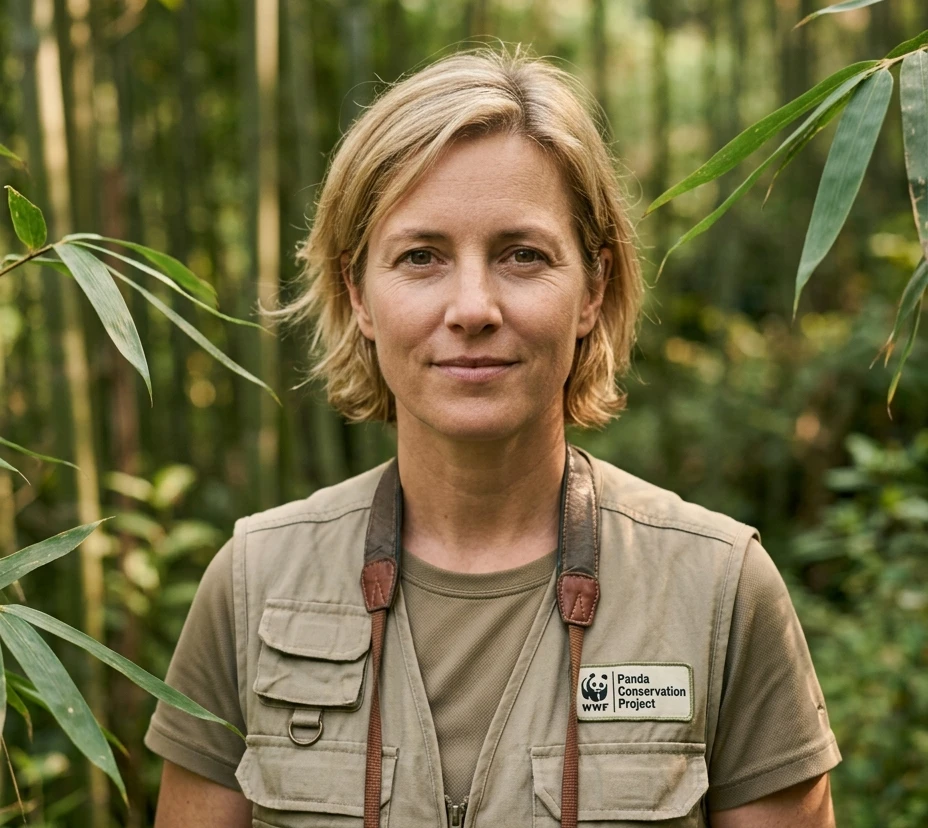
Dr. Sarah Hartwell
Habitat & Ecology Editor
Conservation biologist specializing in habitat assessment, climate change impacts, GIS-based conservation planning, and bamboo corridor restoration. Reviews all habitat and ecology content.
View full profile →Tags in this article
Questions readers often ask
Can kids really help giant pandas?
Yes. Kids cannot protect panda forests by themselves, but they can learn the facts, use resources wisely, save energy, help their families make thoughtful choices, and encourage other people to care about wildlife. Small actions are most powerful when many people repeat them over time.
Are giant pandas still endangered?
Giant pandas are currently listed globally as Vulnerable, not Endangered. That is good news, but they still need protection. Their mountain forests can be broken into smaller pieces, which can make it harder for pandas to find bamboo, move safely, and find other pandas.
Why should we save pandas?
Saving pandas means protecting the mountain forests where they live. Those forests are also home to many other plants and animals. Pandas are often called an umbrella species because protecting their habitat can help many species living in the same ecosystem.
What are the biggest threats to giant pandas?
The biggest long-term threat is habitat loss and fragmentation. Roads, farms, and development can divide one large panda forest into smaller pieces. Climate change can also affect the bamboo forests that pandas depend on for food.
What can families do to help pandas?
Families can use less paper, choose recycled or responsibly sourced products when possible, save energy, learn about wildlife, and support trusted conservation organizations that protect habitats, work with local communities, and fund research.
What can be done to save pandas?
Saving giant pandas requires protecting and reconnecting their mountain forests, restoring bamboo habitat, reducing accidental snaring, supporting research, and working with local communities. Kids and families can help by learning accurate facts, using resources thoughtfully, saving energy, and supporting trusted organizations that protect wildlife habitats.
What helps giant pandas survive in the wild?
Giant pandas need large, safe, connected mountain forests with plenty of bamboo. They also need space to move between habitat areas, find mates, and raise cubs. Rangers, scientists, protected areas, wildlife corridors, and local community support all help pandas survive.