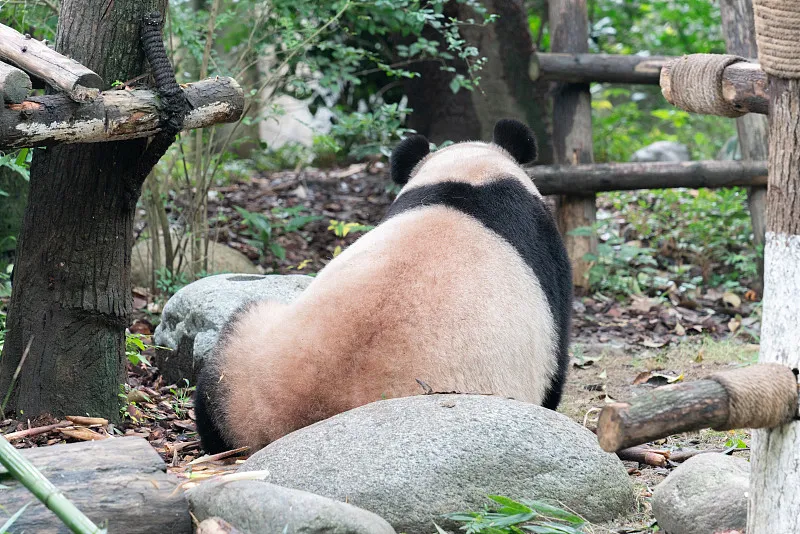
Panda Super-Fur: Why Pandas Never Catch a Cold in Snow 🧥❄️
🧥 Imagine wearing the world’s warmest winter coat — one that’s waterproof, windproof, and so well-insulated that thermal cameras can barely detect your body heat! That’s what pandas wear every day. Let’s discover the SECRETS of panda super-fur!
Key Takeaways
-
🧥 Panda fur has TWO layers — a wooly inner layer for warmth and an oily outer layer for waterproofing!
-
🌡️ Thermal cameras can barely see pandas in snow — their fur insulation is THAT good!
-
🐾 Pandas have built-in snow boots — extra fur between their toe pads keeps their feet warm on ice!
The Two-Layer Super System 🧥
Panda fur isn’t just one kind of hair — it’s TWO layers working together:
Layer 1: The Wooly Underfur 🐑
- Soft, thick, and CURLY (the curls trap warm air!)
- Grows in autumn when temperatures start to drop
- Feels like a sheep’s wool — dense and cozy
- This is the INSULATION layer — it keeps body heat IN
Layer 2: The Guard Hairs 💧
- Long, coarse, and STRAIGHT
- Coated with natural oil that repels water
- Snow and rain bead up and roll off!
- This is the PROTECTION layer — it keeps water and wind OUT
Together, these two layers create a perfect winter survival suit! The inner layer traps warm air like a sleeping bag. The outer layer keeps snow, rain, and cold wind from reaching the inner layer. It’s the same design as the best human winter jackets — but pandas evolved it millions of years ago!
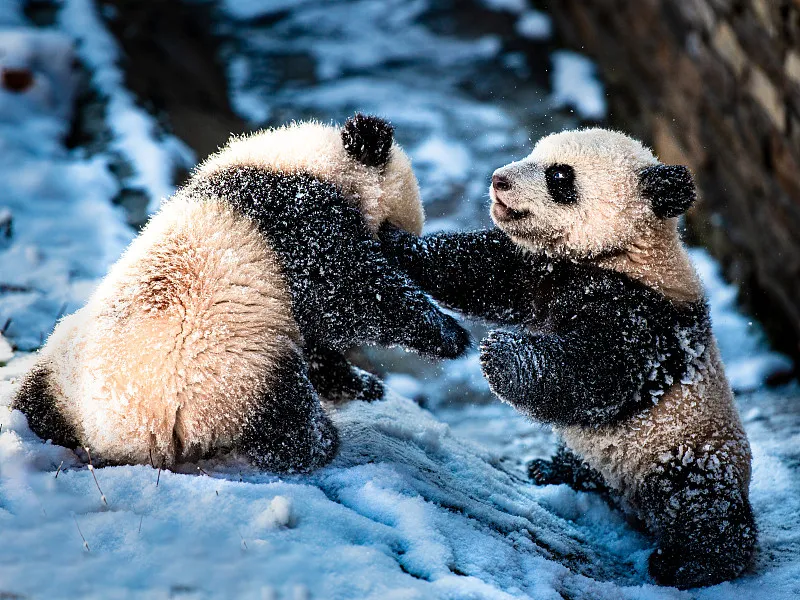
How warm is it? Thermal cameras (special cameras that detect heat) show almost NO heat escaping from a panda’s body in winter! All the panda’s body warmth stays trapped inside the fur. The outside of the fur is almost the same temperature as the snow — meaning the insulation is PERFECT. Our article on why pandas don’t hibernate explains how this amazing fur lets pandas stay active all winter!
Built-In Snow Boots! 🐾
Panda paws have special winter protection too!
Between their toe pads, pandas grow EXTRA fur in winter — like built-in snow boots! This fur:
- ❄️ Keeps their feet warm on ice and snow
- 🦶 Provides extra grip on slippery surfaces
- 💧 Repels melting snow so their feet stay dry
Pandas also have thick, leathery paw pads that act like the soles of winter boots — tough and insulating!
The Fur Feel Test 🖐️
If you could touch a panda’s fur (you can’t — but IF you could!), here’s what it would feel like:
Summer coat: Coarse and slightly rough. Less underfur, more guard hairs. Feels a bit like a rough wool blanket.
Winter coat: Thick and dense! The underfur feels soft and wooly. The guard hairs feel a bit oily and slick. The whole coat feels MUCH thicker than in summer.
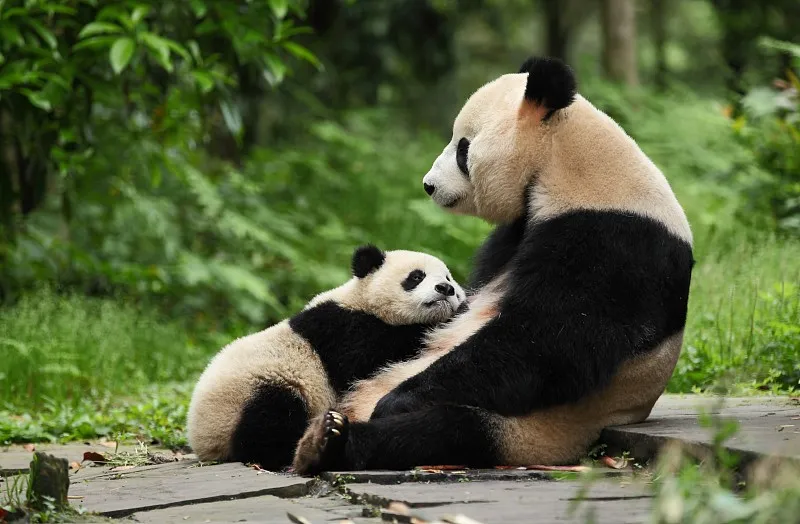
Cub fur: EXTRA soft! Baby pandas have the softest fur — like chinchilla fluff. As they grow, their fur becomes coarser and more adult-like.
The Color Helps Too! 🎨
The panda’s black-and-white colors aren’t just for camouflage — they help with temperature control too!
Black fur absorbs sunlight better than white fur. On sunny winter days, the black patches on a panda’s shoulders and legs soak up solar heat, warming the panda’s body. It’s like wearing a dark shirt in the sun!
White fur reflects sunlight better than black fur. On bright snowy days, the white belly reflects the sun’s glare away from the panda’s eyes. It also helps the panda blend into the snow — the camouflage described in our article on why pandas are black and white!
How Pandas Stay Warm: The Complete System 🧥❄️🐾
| Warmth Tool | How It Works | Panda Body Part |
|---|---|---|
| 🐑 Wooly underfur | Traps warm air against skin | All over body |
| 💧 Oily guard hairs | Repels water and wind | Outer fur layer |
| 🧥 Thick fur density | Extra insulation in winter | Grows thicker each autumn |
| 🐾 Paw fur | Protects feet from ice | Between toe pads |
| ⬛ Black fur | Absorbs solar heat | Shoulders, legs |
| 🐻 Fat layer | Provides internal insulation | Under the skin |
Frequently Asked Questions
Do pandas ever get too cold?
Healthy adult pandas in their natural habitat RARELY get dangerously cold. Their fur, fat layer, and behavioral strategies (finding sheltered spots, staying active enough to generate body heat) keep them warm even at -15°C. Cubs and elderly pandas are more vulnerable and rely more on sheltered resting spots.
What happens to panda fur in spring?
Pandas MOLT — they shed their thick winter undercoat! For a few weeks in late spring, pandas look patchy and scruffy as their winter fur falls out and their lighter summer coat grows in. It’s like a dog shedding its winter coat, but much more dramatic!
Can pandas overheat in their fur?
Yes! In summer, pandas can get too hot in their thick fur. That’s why they spend hot days in the shade, in water, or (in captivity) in air-conditioned indoor areas. Our article on how pandas beat the heat shows their summer cooling strategies!
Your Panda Fur Challenge: Next winter, look at how YOUR winter clothes work! Do you have a soft inner layer (like a fleece) and a waterproof outer layer (like a rain jacket)? You’re dressing like a panda — two layers, just like their super-fur! 🧥🐼❄️