Table of contents (3 sections)
Who Moved My Ball? A Tour of the Ultimate Panda Playground 🎠🐼
🎠 Panda playgrounds are WAY cooler than human playgrounds! Forget swings and slides — panda playgrounds have GIANT BOULDER BALLS, hanging puzzle feeders that dispense apple slices, splash pools with waterfalls, and climbing towers made from real tree trunks. And every single toy has a SECRET scientific purpose!
Let’s take a tour!
Key Takeaways
-
🧩 Puzzle feeders are the most popular playground item — pandas have to solve them to get treats, exercising their brains AND bodies.
-
🎡 Every toy has a PURPOSE — climbing structures build muscles, pools cool pandas down, and scent stations engage their super-powered noses.
-
🔄 Toys get ROTATED constantly — what’s exciting today is boring tomorrow, so keepers are always introducing new challenges!
The Panda Playground Tour 🗺️
Let’s explore a panda playground, zone by zone!
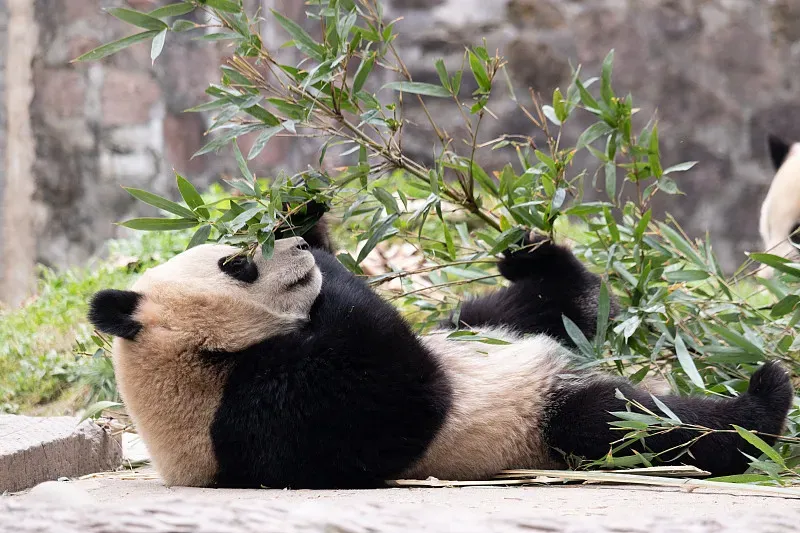
[Image: A panorama of a panda enrichment yard showing the climbing zone, water zone, puzzle zone, and sensory zone]
Zone 1: The Climbing Zone 🧗
This area is like a panda jungle gym!
The Climbing Tree: A massive fir tree trunk (secured to the ground so it can’t fall!) with rough bark for grip. Pandas climb it, sit on top, and sometimes nap draped over the branches.
The Multi-Level Platform: Wooden platforms at different heights, connected by ramps and logs. Pandas hop from level to level, testing their balance and coordination. The highest platform is the most popular — pandas love being up high where they can survey their kingdom!
The Tire Swing: A heavy-duty tire suspended from a steel frame. Pandas push it, pull it, sit on it, and sometimes wrestle with it. It’s one of the few toys tough enough to survive panda play! (Pandas have amazingly strong jaws — they can destroy most toys in minutes!)
The Rock Pile: Large, smooth boulders arranged at different heights. Pandas climb over them, sit on them to eat bamboo, and use them as scratching posts. The uneven surface exercises different muscles than flat ground.
Zone 2: The Water Zone 💦
Pandas love water — especially on hot days!
The Splash Pool: A shallow pool (about knee-deep for a panda) with gently sloping sides for easy entry. Pandas wade in, splash around, and sometimes swim short laps. The pool water is filtered and cleaned daily.
The Waterfall Rock: A large rock with a gentle stream of water cascading over it. Pandas sit under the waterfall to cool down, drink from the stream, and sometimes bat at the falling water with their paws.
The Mist Zone: In the hottest summer months, overhead misters spray a fine, cooling fog over part of the enclosure. Pandas will sit in the mist zone for hours, looking like mystical mountain creatures in their personal cloud!
Zone 3: The Puzzle Zone 🧩
This is where pandas exercise their BRAINS!
The Hanging Puzzle Feeder: A perforated plastic ball hanging from a rope. Keepers put apple slices and bamboo shoots inside. The panda has to bat the ball, spin it, and align the holes to release the treats. Some pandas figure it out in minutes; others take days. One particularly clever panda at the Chengdu Base learned to hold the feeder still with one paw while rotating it with the other — a two-handed technique!
The PVC Tube Puzzle: A sturdy plastic tube with holes drilled in it, mounted on a swivel. Treats slide around inside as the panda rotates the tube. When a treat lines up with a hole, it falls out. The panda has to learn which movements produce which results!
The Ice Block Challenge: A giant ice block with apples, carrots, and bamboo pieces frozen inside. The panda has to lick and bite at the ice to reach the treats. In summer, this doubles as a cooling activity!
The Box Surprise: A cardboard box with treats inside and the flaps loosely closed. The panda has to figure out how to open the box. Most pandas solve this by simply sitting on the box until it collapses. Panda problem-solving at its finest!
Did You Know? 🧠 Puzzle feeders are inspired by how wild pandas find food — searching through bamboo thickets, selecting the best stalks, peeling away tough outer layers to reach the tender inner parts. In the wild, EVERY meal is a puzzle! Captive puzzle feeders recreate this challenge so pandas don’t lose their natural problem-solving skills.
Zone 4: The Sensory Zone 👃
Pandas experience the world primarily through their NOSE — so their playground includes scent experiences!
The Scent Log: A log that keepers rub with different scents each day — cinnamon on Monday, peppermint on Tuesday, vanilla on Wednesday. The panda sniffs the log intensely, rubs against it, and sometimes rolls on it!
The Scent Sack: A burlap sack sprayed with diluted fruit extracts or natural herbal scents. Pandas carry it around, wrestle with it, and use it as a pillow.
The Scent Trail: Keepers drag a scented cloth through the enclosure, creating a “trail” for the panda to follow with its nose — like a treasure hunt without the treasure, just the fun of tracking!
Frequently Asked Questions
Can I buy panda toys for my local zoo?
Most zoos accept enrichment donations, but they must be approved first — not everything is safe for pandas! Items must be non-toxic, too large to swallow, and sturdy enough to withstand panda jaws. Contact your local zoo’s enrichment coordinator before donating.
How often are toys replaced?
Enrichment items are ROTATED daily or weekly. What’s exciting today bores pandas fast! Keepers maintain a schedule of which toys go to which pandas on which days, ensuring variety.
Do pandas share toys?
Sometimes! In nursery groups, cubs will wrestle over the same toy — which is actually good social practice. Adult pandas (who are naturally solitary) have their own toys and don’t share. Enrichment is individualized!
Your Panda Playground Challenge: Design your own panda playground on paper! Include at least one item from each zone: climbing, water, puzzle, and sensory. Draw your playground, label each feature, and explain WHY a panda would love it. Congratulations — you’re a panda playground architect! 🏗️🐼🎠
Pandacommon Editorial Team
Pandacommon is a global knowledge project documenting giant pandas, habitats, and conservation history. We combine verified data with engaging storytelling to build a deeper archive of the panda world.
Learn more about our mission →Tags in this article
Questions readers often ask
What's a panda's favorite toy?
Pandas love puzzle feeders — containers with hidden treats inside that they have to figure out how to open. But their favorites change constantly! A cardboard box might be the most exciting thing in the world for 20 minutes, then completely ignored. The key is novelty — pandas love NEW things, so keepers rotate toys regularly.
Why are panda playgrounds so important?
In the wild, pandas spend their days navigating complex terrain, finding food, and solving problems. In captivity, without playgrounds and enrichment, they get bored — and bored pandas develop repetitive behaviors like pacing. Playgrounds and toys keep pandas' bodies strong and their brains engaged, preventing boredom and promoting natural behaviors.