What Does Extinction Mean? Why Every Kid Should Care About Pandas 🌍💔
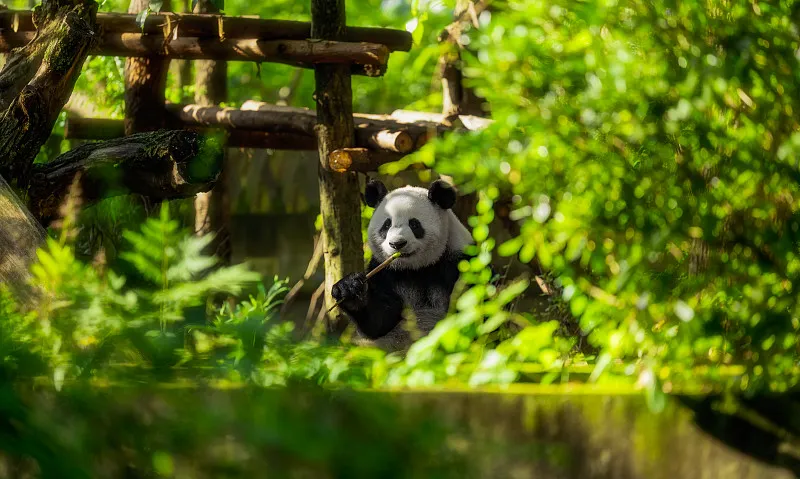
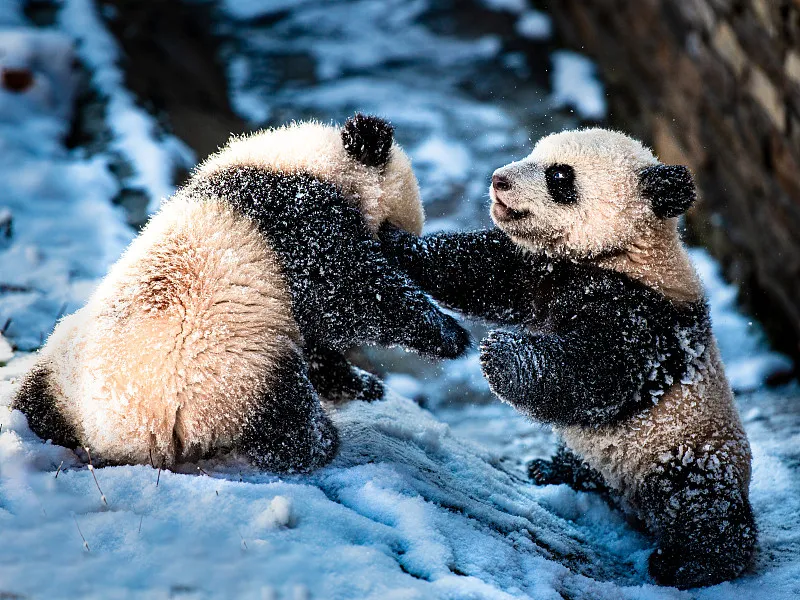
🌍 What if pandas disappeared forever? No more black-and-white bears in the bamboo forests. No more panda cubs. No more panda cams. That’s what “extinction” means — when every single animal of a species dies and they are gone from the Earth FOREVER.
This is a scary thought. But it’s also an IMPORTANT thought — because understanding extinction is the first step to preventing it!
Key Takeaways
-
💔 Extinction means gone forever — not hiding, not sleeping, not somewhere we haven’t looked. Gone. Like a book that can never be read again.
-
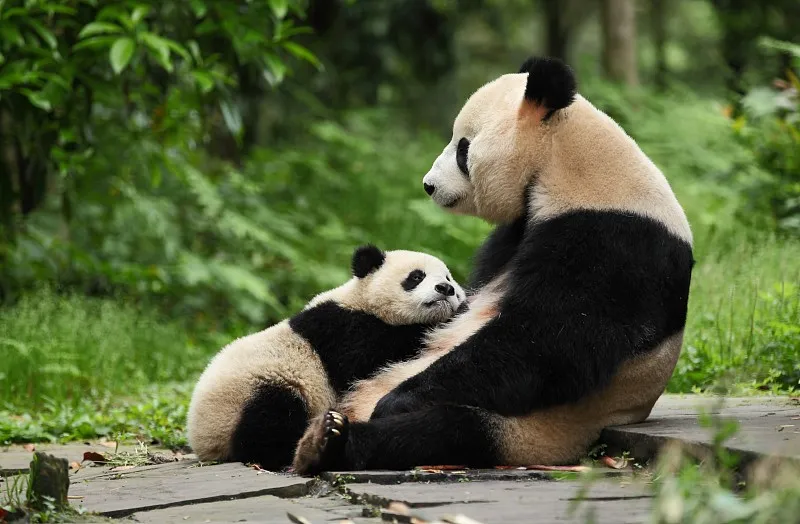
🐼 Pandas came close to extinction — but people worked together to save them, proving that extinction is NOT inevitable.
-
🌎 Protecting pandas protects the whole planet — because pandas are an umbrella species, and saving their forest saves thousands of other species too.
What Is Extinction, Really? 💔
Let’s play a game. Name an animal that used to live on Earth but doesn’t anymore.
Maybe you said “dinosaur!” And you’re right — dinosaurs went extinct about 66 million years ago when a giant asteroid hit Earth. But extinction isn’t just an ancient dinosaur thing. Animals are going extinct RIGHT NOW, in our lifetime.
Here are some animals that went extinct recently — animals that your great-grandparents might have seen but YOU never will:
🦤 The Dodo Bird: A large, flightless bird that lived on the island of Mauritius. It had no natural predators, so when humans arrived with rats, pigs, and hunting, the dodo couldn’t escape. The last dodo died around 1681.
🐺 The Tasmanian Tiger: Not actually a tiger, but a striped, dog-like marsupial from Australia. The last one died in a zoo in 1936. There are no Tasmanian tigers anywhere on Earth now.
🕊️ The Passenger Pigeon: Once the MOST numerous bird in North America — flocks so huge they darkened the sky for hours. People thought they could never go extinct because there were so many. But hunting and habitat loss killed them all. The last passenger pigeon, named Martha, died in a zoo in 1914.
These animals are gone. Not hiding. Not in a secret forest somewhere. Gone forever. And once an animal goes extinct, we can never, ever get it back.
How Pandas Almost Disappeared 🐼⚠️
In the 1980s, giant pandas were in serious trouble. Only about 1,100 wild pandas were left. Their bamboo forests were being cut down for farms and roads. Hunters sometimes killed them (even though it was illegal). And in 1983, a huge area of bamboo flowered and died — leaving pandas with nothing to eat. Our article on the bamboo flowering crisis tells that scary story!
Scientists warned that wild pandas might go extinct by the year 2000 if nothing changed.
But something DID change. People decided to save pandas.
How People Saved Pandas 💪🌱
Saving pandas wasn’t one big heroic moment — it was thousands of small actions by millions of people over decades:
🇨🇳 The Chinese government created panda reserves — protected forests where pandas could live safely. Today, over 67% of panda habitat is protected! Our article on the Giant Panda National Park explores these amazing protected areas.
🔬 Scientists figured out how to help pandas breed — developing the artificial insemination techniques and twin-swapping protocol described in our article on twin survival.
🌍 Countries around the world cooperated — through the panda loan program, international zoos contributed millions of dollars to wild panda conservation.
👮 Rangers stopped poaching — patrolling the forests to protect pandas from illegal hunting.
🌱 Conservationists restored bamboo forests — planting new bamboo to replace what had been lost.
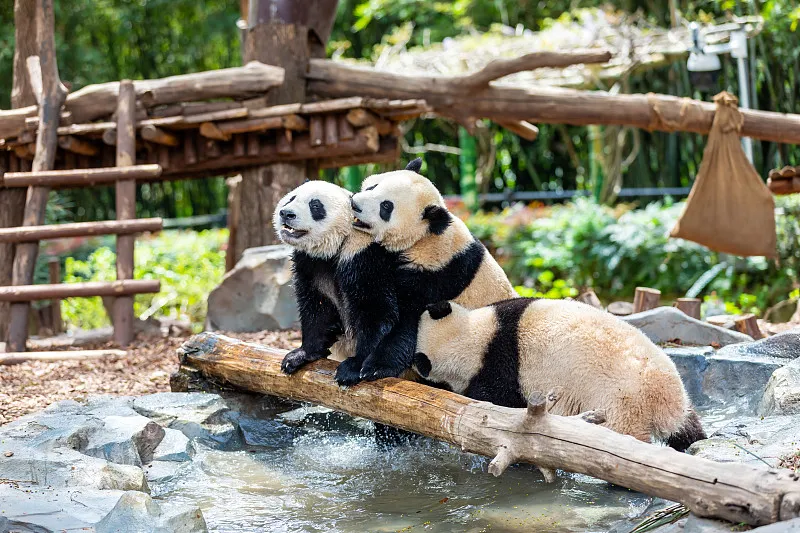
👨👩👧👦 Regular people cared — millions of people around the world learned about pandas, visited them at zoos, donated to conservation, and fell in love with these amazing animals.
And it WORKED! In 2016, pandas were moved from “Endangered” to “Vulnerable” — still needing protection, but no longer at immediate risk of disappearing. The wild population has grown from about 1,100 to about 1,900. Our article on the IUCN status change has the full success story!
Why Saving Pandas Matters for EVERYONE 🌍
Saving pandas isn’t just about pandas. Remember the umbrella effect we talked about in our article on panda umbrella species? Here’s the amazing thing: when we protect panda forests, we ALSO protect:
- 🐒 Golden snub-nosed monkeys (endangered!)
- 🦊 Red pandas (also endangered!)
- 🐂 Takin (rare and beautiful!)
- 🌸 Thousands of rare plants
- 🌊 Clean water for millions of people downstream
- 🌍 Carbon-storing forests that fight climate change
Pandas are like the captains of the conservation team — when we protect them, we protect EVERYONE who lives in their forest!
What Can Kids Do? 🌱
You might be thinking: “I’m just a kid. What can I do about extinction?”
The answer: a LOT!
-
📚 Learn. Every time you read about pandas (like you’re doing right now!), you’re building the knowledge that helps you care.
-
📣 Share. Tell your friends, your family, your classmates about pandas. The more people who care, the more protection pandas get!
-
♻️ Reduce, reuse, recycle. Using less paper means fewer trees cut down. Less trash means less pollution. These small actions add up!
-
💚 Visit or support. If you ever get the chance, visit a panda base or zoo that has pandas. Your ticket helps fund conservation!
-
🌍 Be a voice for nature. When you grow up, you’ll be able to vote, make choices, and speak up for protecting animals and their habitats.
Our article on 5 ways kids can help pandas has more ideas!
Frequently Asked Questions
Could we bring extinct animals back with DNA?
Scientists are studying “de-extinction” — using preserved DNA to try to bring back extinct species like the woolly mammoth. But it’s incredibly difficult, probably impossible for most species, and would take decades even if it worked. The best strategy is simple: don’t let animals go extinct in the first place.
What animal is closest to extinction right now?
Several species are critically endangered, including the vaquita (a tiny porpoise with fewer than 10 left!) and the northern white rhinoceros (only 2 females remain). Pandas, thankfully, are NOT on this list anymore — which shows that conservation CAN work when we try!
If pandas are safe now, why keep protecting them?
Because “Vulnerable” is not the same as “safe.” Without continued protection, panda numbers could decline again. Conservation is not a one-time fix — it’s a continuous commitment, like taking care of a garden. You don’t plant flowers once and walk away!
The most important thing to remember: Extinction is forever. But extinction is also preventable. The panda is proof — an animal that was sliding toward disappearance, pulled back by decades of human effort and care. Every panda alive today is alive because people decided it should be. And that decision — to care, to act, to protect — is one that YOU can make too. The pandas of the future are counting on the kids of today. 🐼💚🌍