Nature

Our Data Methodology: How We Verify 663 Pandas Across 58 Locations

PandaCommon's data accuracy depends on rigorous verification: cross-referencing the International Studbook, Chinese government records, zoo announcements, and published research. This article explains our methodology, data sources, and quality control processes.

⏱️ 1 min read
general level
5 tags
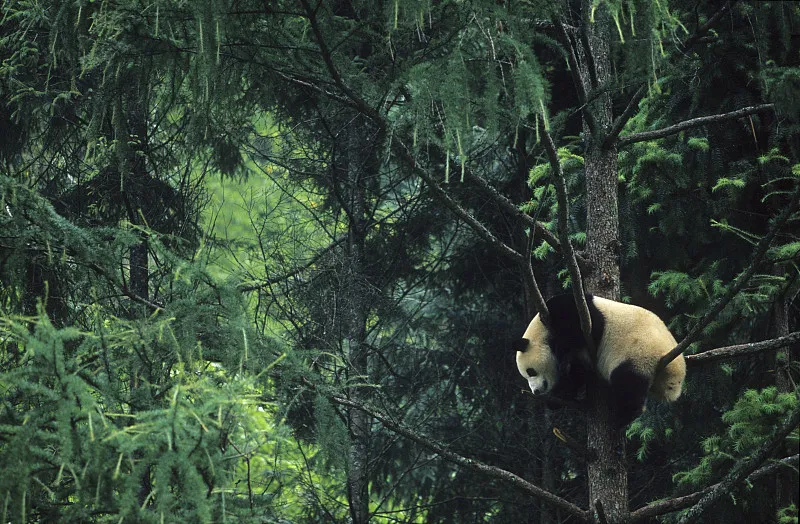
Cover image for Our Data Methodology: How We Verify 663 Pandas Across 58 Locations — a giant panda related article on Pandacommon
Mentions: 🐼 Po🐼 Po
📑 Table of Contents (1 sections)

Key Takeaways

  • 1 All data is verified against multiple authoritative sources before publication.
  • 2 Core sources include the International Studbook, Chinese official records, and peer-reviewed science.
  • 3 Community contributions are welcomed but verified before incorporation.

Our Data Methodology: How We Verify 663 Pandas Across 58 Locations

Key Fact: PandaCommon maintains data on 663+ giant pandas across 58 locations — and every data point is verified against multiple authoritative sources before publication. The research methodology combines the International Studbook (the global registry of captive pandas), official Chinese government and facility announcements, peer-reviewed scientific literature, zoo records, and verified news reports. The goal is not just comprehensiveness but accuracy — building a knowledge base that researchers, journalists, and the public can trust.

Key Takeaways

  1. All data is verified against multiple authoritative sources before publication.

  2. Core sources include the International Studbook, Chinese official records, and peer-reviewed science.

  3. Community contributions are welcomed but verified before incorporation.

The verification process is hierarchical. The International Studbook — the authoritative registry maintained by the Chinese Association of Zoological Gardens — serves as the primary source for captive panda identity, parentage, and location. Official announcements from panda facilities (births, deaths, transfers) provide current information. Peer-reviewed scientific publications contribute research-grade data on panda biology, behavior, and ecology. Zoo annual reports and verified news coverage provide additional confirmation and context.

When sources conflict — as occasionally occurs, especially regarding older records — the research team investigates the discrepancy and applies a conservative resolution: the data that is best-supported by multiple independent sources is accepted; data that cannot be independently verified is noted as uncertain.

Community contributions — corrections, updates, additional information — are welcomed and encouraged but subject to the same verification standards. A reported correction is checked against authoritative sources before being incorporated. This verification requirement maintains data quality while enabling community participation, the citizen science model described in our article on joining PandaCommon as a citizen scientist.
🐼

Pandacommon Editorial Team

Pandacommon is a global knowledge project documenting giant pandas, habitats, and conservation history. We combine verified data with engaging storytelling to build the world's most comprehensive panda knowledge base.

Learn more about our mission →

Article Tags

methodologydataverificationaccuracytransparency

Frequently Asked Questions

Where does PandaCommon data come from?

PandaCommon's data is compiled from multiple verified sources: the International Giant Panda Studbook (the authoritative global registry), official announcements from the China Wildlife Conservation Association and Chinese panda facilities, publications in peer-reviewed scientific journals, zoo announcements and annual reports, and verified news reports. All data is cross-referenced against multiple sources before publication.

How often is the data updated?

The database is updated on a rolling basis as new information becomes available. Major updates occur with births, deaths, and transfers (which are typically announced officially), and corrections are made immediately when verified errors are identified. Community-submitted corrections are verified before being incorporated.

Related Articles

Cover image for "Under the Southern Cross: How Adelaide Zoo Handles Reversed Panda Seasons"
Nature 📚 general

Under the Southern Cross: How Adelaide Zoo Handles Reversed Panda Seasons

In Adelaide, Australia, when it's summer in China, it's winter — and vice versa. For giant pandas Wang Wang and Fu Ni, this meant their biological clocks were completely inverted. This article examines how Australia's only pandas adapted to life in the Southern Hemisphere, and what their experience reveals about panda behavioral flexibility.

australia southern-hemisphere climate +2
Read article
Cover image for "AI Face Recognition and Satellites: High-Tech Panda Protection"
Nature 📚 general

AI Face Recognition and Satellites: High-Tech Panda Protection

From AI algorithms that identify individual pandas by their eye patches to satellites that monitor bamboo forest health from orbit, technology is transforming panda conservation. This article explores the digital tools that are making panda monitoring faster, cheaper, and more accurate.

technology ai satellites +2
Read article
Cover image for "When Bamboo Flowers: The 1980s Crisis That Nearly Starved Wild Pandas"
Nature 📚 general

When Bamboo Flowers: The 1980s Crisis That Nearly Starved Wild Pandas

In 1983, vast areas of arrow bamboo in the Minshan Mountains entered their natural flowering cycle — and died. For wild giant pandas, whose diet is 99% bamboo, this was catastrophic. This article tells the story of the bamboo flowering crisis, the international rescue effort that saved hundreds of starving pandas, and the lasting changes the crisis forced in panda conservation philosophy.

1 panda
bamboo-flowering crisis famine +2
Read article

Latest Articles

View all →
Cover image for "How Much to Adopt a Panda? Corporate Sponsorship and CSR Guide"
Culture 📚 general

How Much to Adopt a Panda? Corporate Sponsorship and CSR Guide

Panda adoption and corporate sponsorship programs fund millions in conservation annually. This article explains how panda adoptions work, what they cost, what sponsors receive in return, and how corporate panda partnerships function as both conservation funding and brand strategy.

adoption sponsorship corporate +2
Read article
Cover image for "ZooParc de Beauval and Yuan Meng: France's Intimate Panda Love Affair"
Culture 📚 general

ZooParc de Beauval and Yuan Meng: France's Intimate Panda Love Affair

When Yuan Meng was born at ZooParc de Beauval in 2017 — the first panda cub ever born in France — it was a national event. First Lady Brigitte Macron became his godmother. Millions of French visitors have since made the pilgrimage to the Loire Valley to see him. This article tells the story of France's panda program and the cub who became a French cultural phenomenon.

france beauval yuan-meng +2
Read article
Cover image for "How to Become a Panda Keeper: More Than Just Shoveling Poo"
Featured
Culture 📚 general

How to Become a Panda Keeper: More Than Just Shoveling Poo

Becoming a panda keeper is statistically harder than gaining admission to many elite universities — annual acceptance rates at the Chengdu Research Base are below 5%. This article explores the education, physical demands, emotional resilience, and daily realities of panda keeping, featuring interviews with keepers who describe their work as 'the most difficult, least glamorous, and most meaningful job in animal care.'

career keeper job +2
Read article

Explore More in the Library

Discover more articles about giant pandas, their biology, conservation, and cultural significance.