Panda Shop

A small editorial selection of panda books, plush and gifts - each one chosen, read or inspected, and written up by Pandacommon.

Books

Panda Books

Eight titles, from a first field guide for six-year-olds to the scholarly sourcebook behind a lot of what this site says.

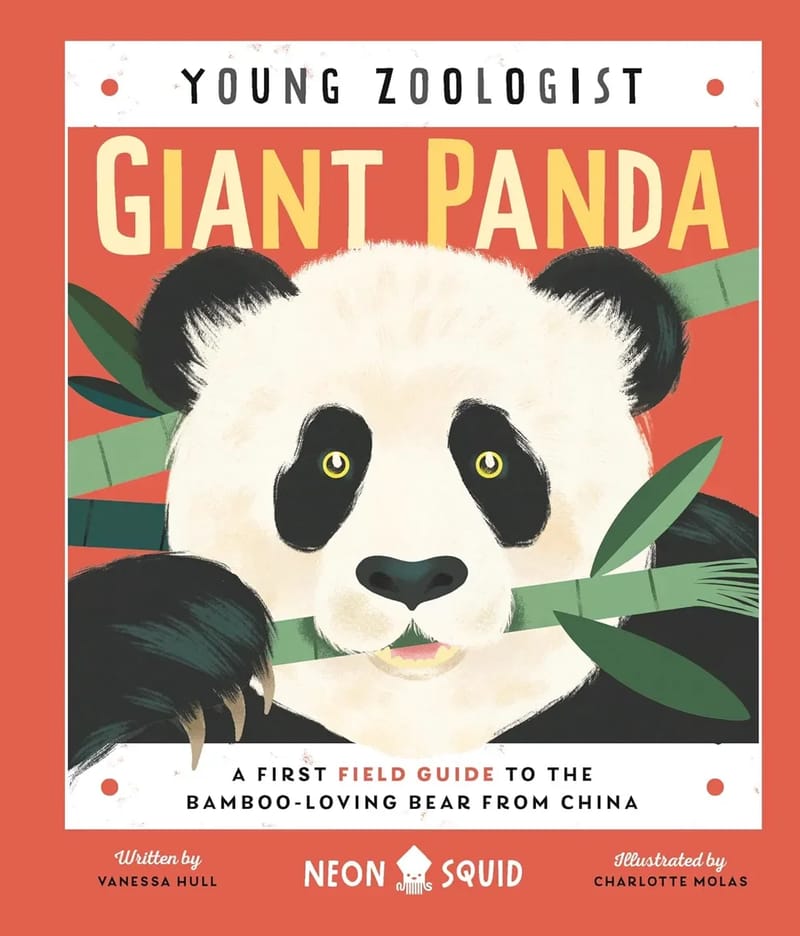
Giant Panda (Young Zoologist) book cover
Panda Books

Giant Panda (Young Zoologist)

A first field guide to giant pandas, written by a researcher who studies them in China's protected areas.

Best for

  • Children aged 6-8 who are curious about animals
  • Parents looking for a first science book about pandas
  • Reading aloud with a curious pre-reader

Why we included it

Vanessa Hull is a wildlife ecologist who has worked on giant panda research in southwestern China, and it shows in the pages. Rather than treating the panda as a mascot, the book walks through where pandas spend their summers, why bamboo eating can take up to fourteen hours of a day, and how a newborn cub is reared. The part that stays with adults is the causal chain behind the species' protection status: poaching and deforestation pushed the population down, and protecting habitat is the part that has to hold. It is illustrated rather than photographed, and short enough to finish in one sitting.

Worth knowing

  • Illustrated rather than photographic, so it is not a natural-history photo book
  • 32 pages - a quick read rather than a reference
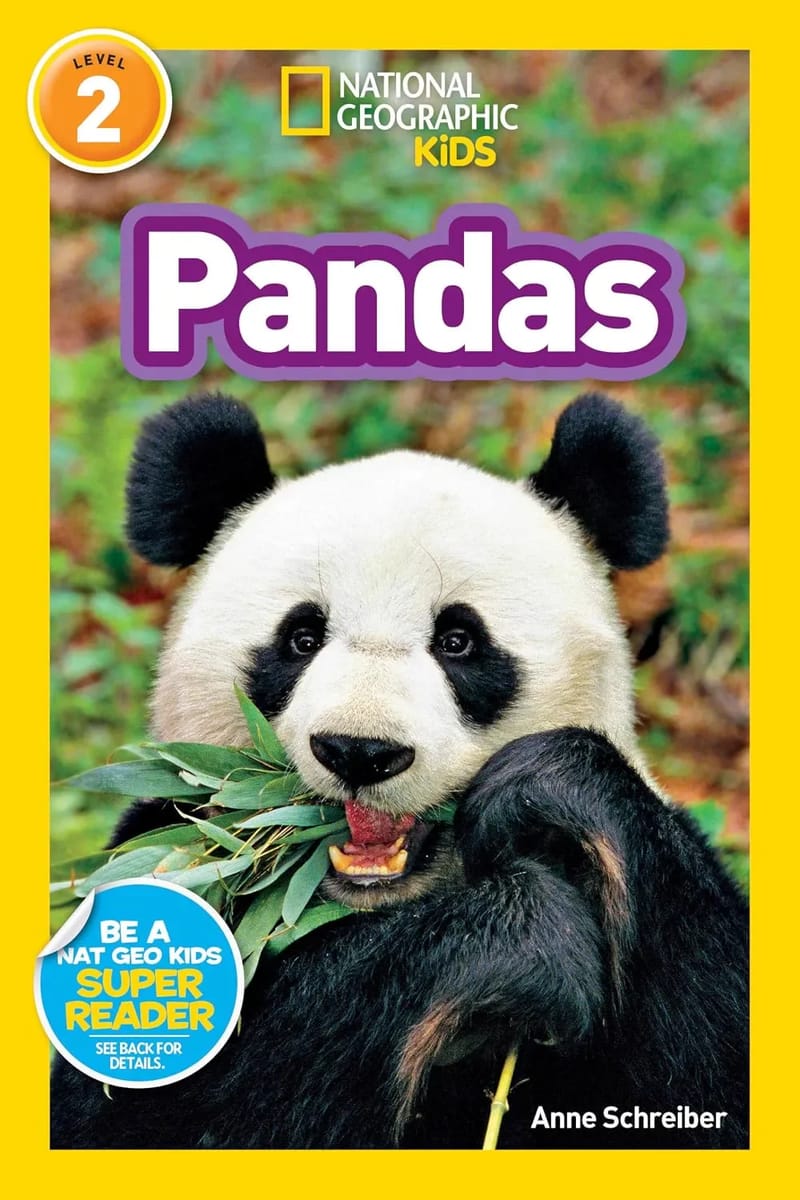
Pandas (National Geographic Kids Readers, Level 2) book cover
Panda Books

Pandas (National Geographic Kids Readers, Level 2)

An early reader built around panda photographs with one or two facts per spread.

Best for

  • Beginning readers in grades K-3
  • Shared reading with a newly confident reader
  • Young children who already know what a panda is

Why we included it

This is the book we would hand a child who has just learned to read fluently but still needs photographs to carry a story. Each spread pairs an image with a couple of short lines about what pandas actually do - playing, climbing, scratching, settling against each other. It also draws a distinction early that many children's books blur: the pandas visitors meet in a zoo are not the pandas living in wild reserves far away. That framing matters for a family that reads the rest of this site.

Worth knowing

  • Published before the species was reassessed to Vulnerable status, so the conservation framing is dated
  • We list the paperback edition rather than the library binding
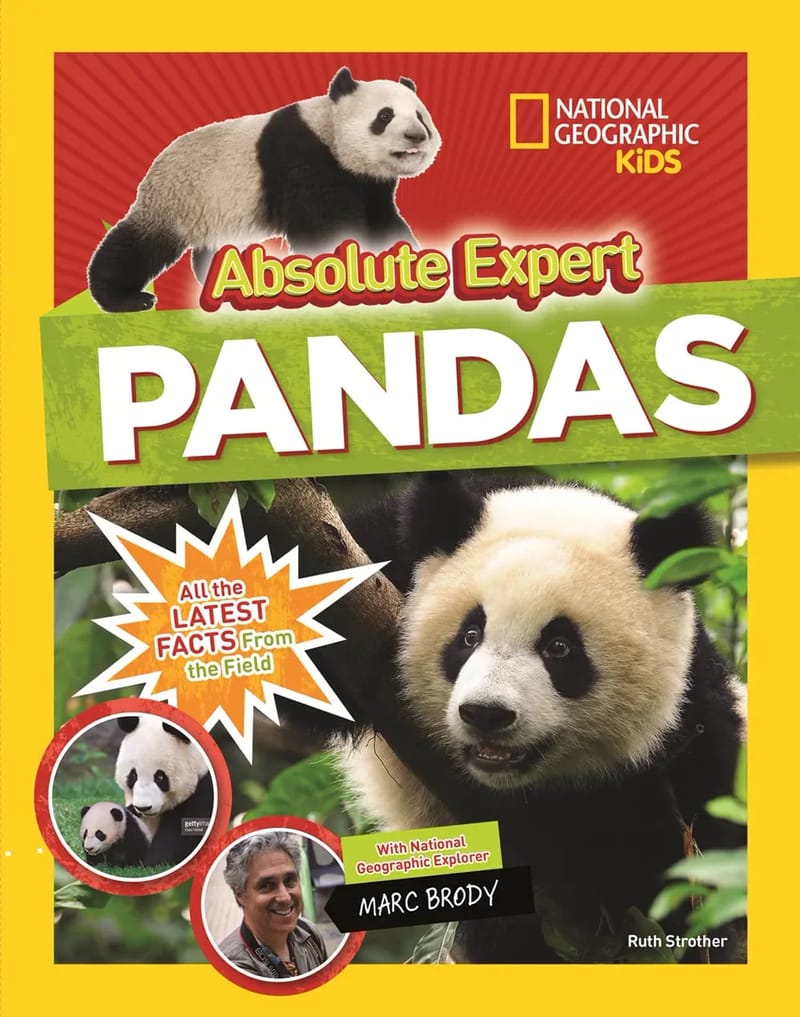
Absolute Expert: Pandas book cover
Panda Books

Absolute Expert: Pandas

A fact-dense, photography-led volume written for readers aged 8 to 12.

Best for

  • Readers aged 8-12
  • Young naturalists and budding scientists
  • Readers who prefer annotated photography

Why we included it

This is the natural step up for a child who has outgrown picture books. The format is built around dense fact panels, annotated photographs and scale references - the kind of layout that answers how big this actually is with numbers rather than adjectives. It also treats the panda as a subject of scientific interest rather than a character, which suits readers making the move from storybooks to non-fiction.

Worth knowing

  • The dense layout suits confident readers more than reluctant ones
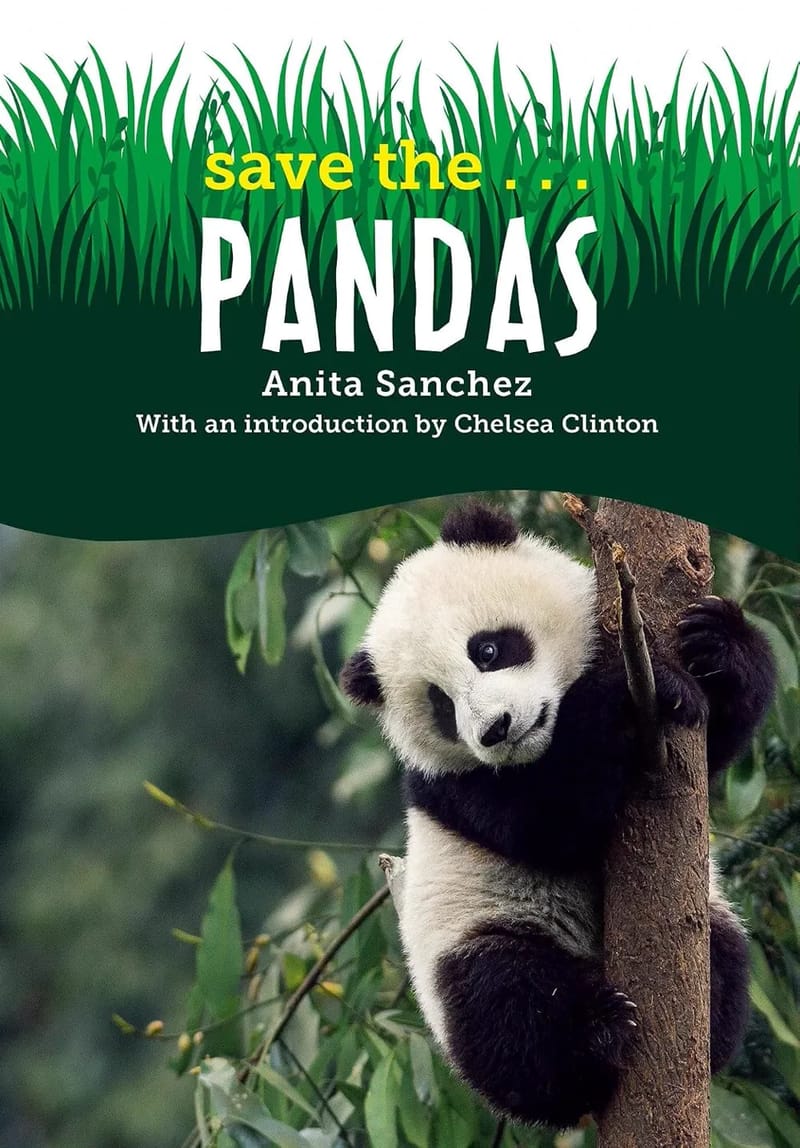
Save the...Pandas book cover
Panda Books

Save the...Pandas

A children's book that pairs panda facts with concrete actions a child can take now.

Best for

  • Children aged 6-9
  • Families looking for a book to pair with a conservation action
  • Classrooms looking for age-appropriate panda material

Why we included it

Most panda books stop at the fact that they are endangered and the fact that they are lovely. This one adds the part usually left out: what a reader aged six to nine can actually do about it. It also gets two things right that children's books tend to get wrong - wild pandas live only in China, and the giant panda is the only bear species that eats almost entirely plants. Black-and-white photographs throughout, and short enough to finish in a single sitting.

Worth knowing

  • The introduction is by a public figure rather than a scientist, which some readers will weigh differently
  • Part of a series, so the framing is campaign-like
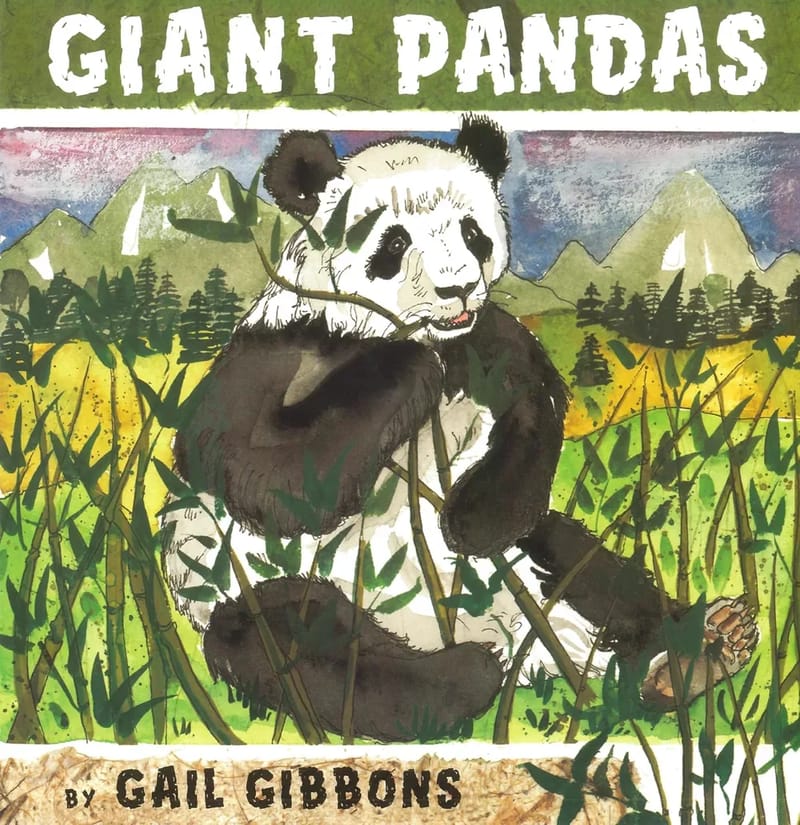
Giant Pandas (Explore the World with Gail Gibbons) book cover
Panda Books

Giant Pandas (Explore the World with Gail Gibbons)

An illustrated introduction to panda anatomy, habitat, diet and cub development.

Best for

  • Picture-book science for ages 4-8
  • Families who want anatomy and habitat detail in one book
  • Reading together with a young child

Why we included it

Gail Gibbons has been explaining natural history to children for decades, and the method here is the traditional one: label the parts, show the habitat, follow a cub from birth to independence. For a family that wants a single picture book that covers the biology rather than a story, this does that job cleanly and without fuss. Worth knowing before you buy: the edition linked here is the 2004 printing, which predates the species' move to Vulnerable status, while a revised edition exists.

Worth knowing

  • The edition available at this link is the 2004 printing; a revised edition was published in 2021 but is harder to source
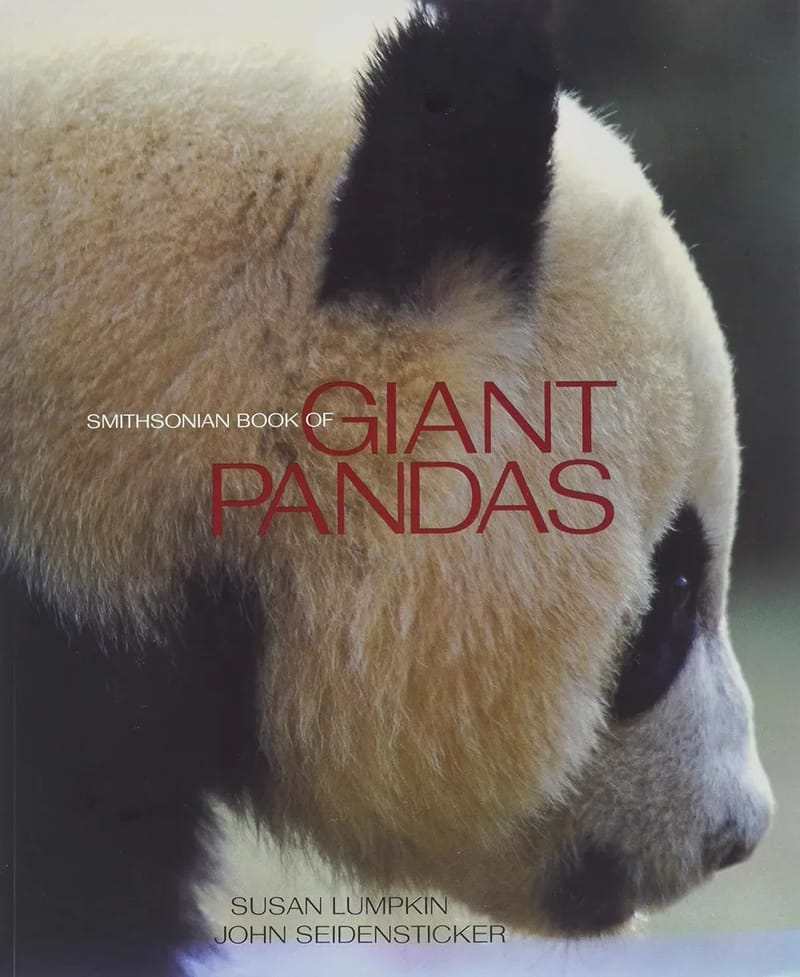
Smithsonian Book of Giant Pandas book cover
Panda Books

Smithsonian Book of Giant Pandas

A photograph-led reference written by two staff members of the Smithsonian's National Zoo.

Best for

  • Older teenagers and adults
  • Readers who prefer photography to text
  • Families building a panda bookshelf

Why we included it

Both authors were working at the National Zoo when they wrote it, and John Seidensticker surveyed panda reserves in China in 1981. That vantage point is zoo-institutional rather than academic, which is exactly what this book is good at: behaviour, diet, life cycle, and the long history of the panda as an international symbol, told through 175 colour photographs. For anyone who wants to understand what the species is like to live rather than what it came to mean, the images carry it.

Worth knowing

  • Written before the 2016 status change, so its conservation chapter is dated
  • Heavier and more expensive than the children's titles
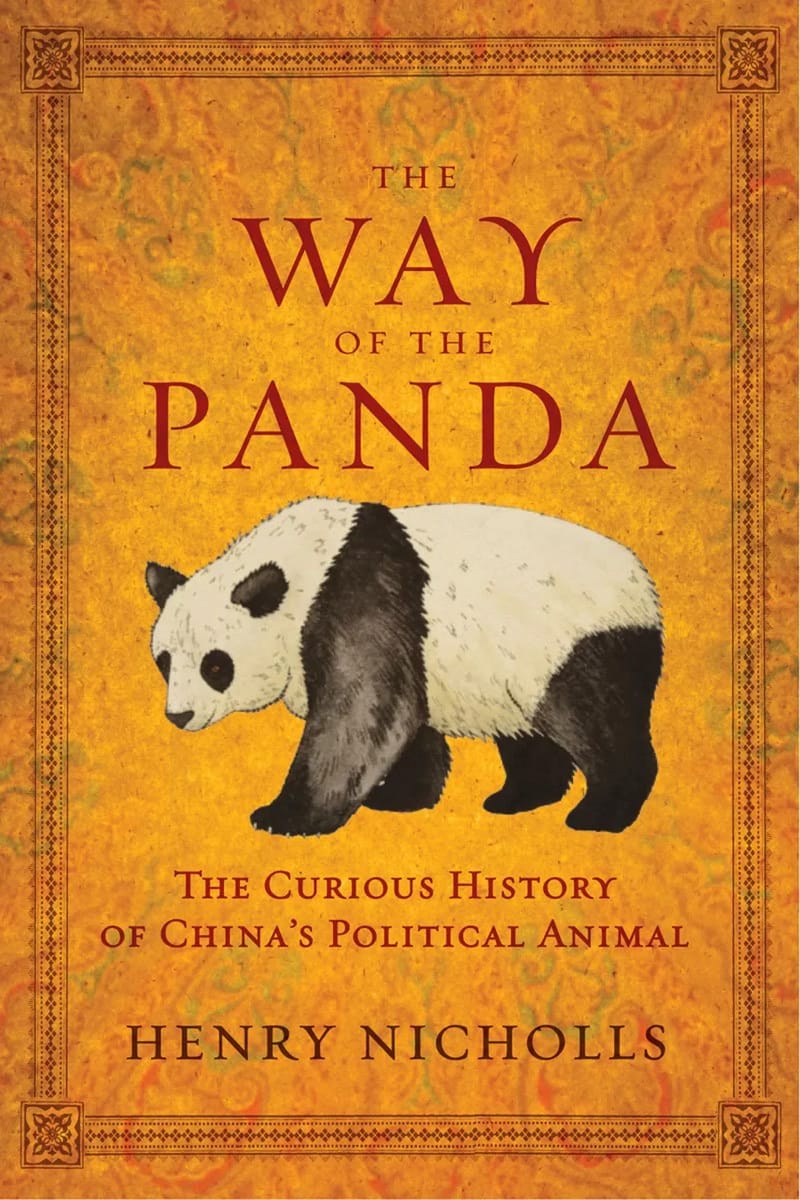
The Way of the Panda book cover
Panda Books

The Way of the Panda

A political history of the panda: zoo loans, captive breeding, and what they did and did not achieve.

Best for

  • Adult readers of political and environmental history
  • Readers curious about captive breeding and reintroduction
  • People who follow panda diplomacy in the news

Why we included it

This is the book that explains why so much about the panda looks the way it does. Henry Nicholls traces the animal through China's diplomatic and political life - the panda as a gift, as a state instrument, as a way of spending soft power - and then asks the hard question: after decades of captive breeding, has any of it actually returned pandas to wild habitat? His answer, at the time of writing, is honest about how little had been achieved. Readers who come here for individual pandas will find the institution behind them just as interesting.

Worth knowing

  • Dated in places - it predates the Giant Panda National Park era and more recent reintroduction work
  • An adult tone rather than a children's book
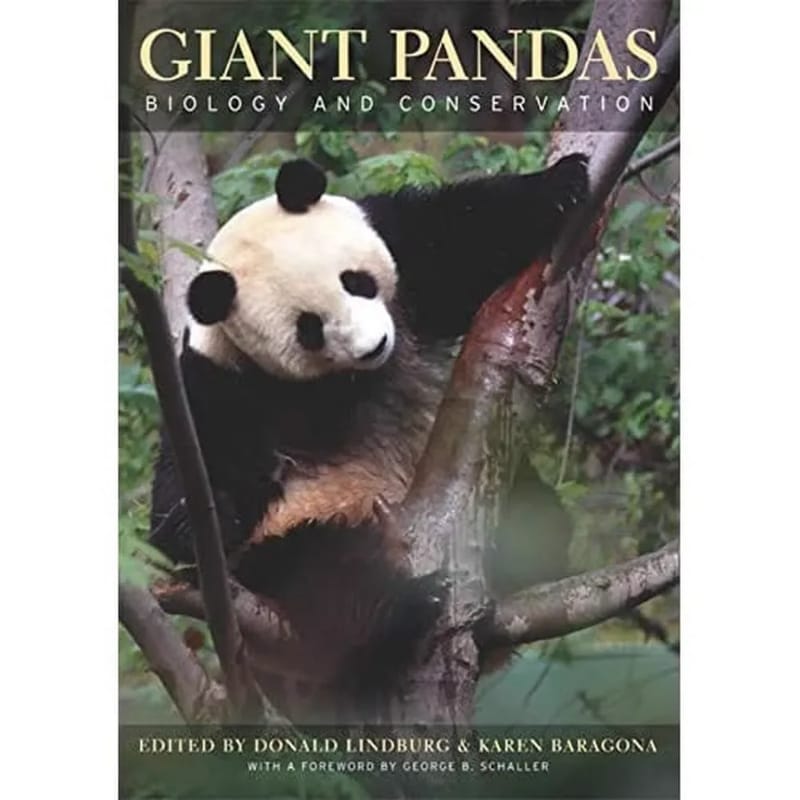
Giant Pandas: Biology and Conservation book cover
Panda Books

Giant Pandas: Biology and Conservation

The scholarly sourcebook on panda biology, habitat and protection, with Chinese co-authors.

Best for

  • Adult readers who want primary scientific reference
  • Students and researchers
  • Readers checking claims about habitat management

Why we included it

When this site makes general claims about studbook records, family lineages, habitat corridors or the mathematics of pairing unrelated animals, this is the tier of source behind them. It is the first major panda volume to set the species in biological, ecological and political context together, and unusually it includes work by Chinese researchers that was not otherwise available in English. Its chapters on buffer zones and corridor links between forest fragments run directly alongside the fragmentation research we cover elsewhere in the library.

Worth knowing

  • Published in 2004 and expensive - a volume to borrow rather than browse
  • An academic register that assumes some biology background

Plush & Gifts

Panda Plush & Gifts

Six items, from a six-inch hand-stitched wildlife plush to a four-foot one. Almost every panda plush on the market is a stylised teddy-bear panda rather than an accurate giant panda, and none of ours is described as one.

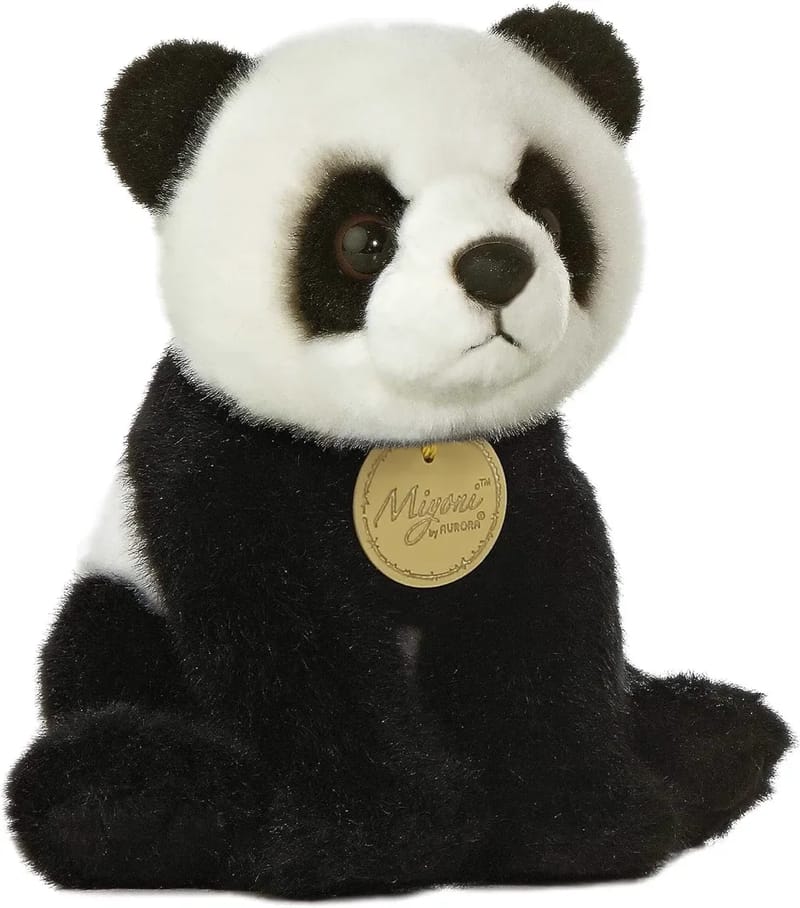
Aurora Miyoni 6" Panda Realistic Plush
Plush & Gifts

Aurora Miyoni 6" Panda Realistic Plush

A hand-stitched wildlife plush whose hang tag carries species information.

Best for

  • Children who want a panda that resembles the real animal
  • Classrooms and nature-centre displays
  • Adult collectors of realistic wildlife plush

Why we included it

Most panda plush on the market are cartoonish, or a generic bear in panda colours. This one comes from a maker whose stated design brief is realistic wildlife representation, and every piece ships with a hang tag describing the species - a small detail that makes it a better teaching prop than most stuffed animals. At six inches it works as a desk or bedside companion rather than something to be hugged flat.

Worth knowing

  • Contains bean pellets for weight, so it is not suitable for infants despite all-ages marketing
  • Hand-stitched, so each piece differs slightly
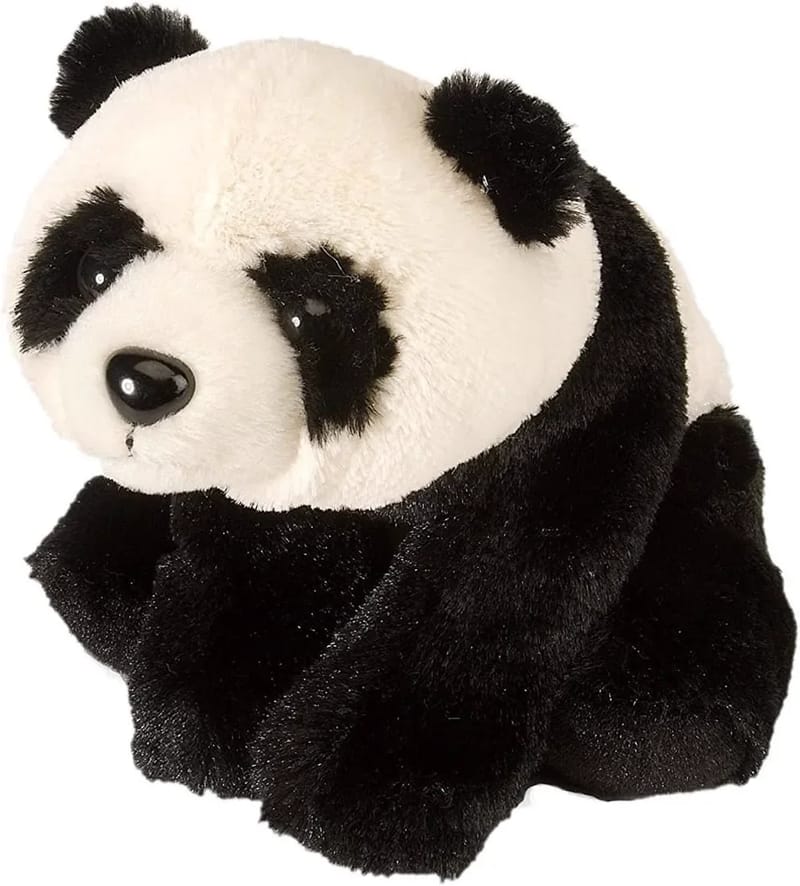
Wild Republic Cuddlekins 8" Panda Plush
Plush & Gifts

Wild Republic Cuddlekins 8" Panda Plush

An 8-inch species-styled panda from a wildlife plush maker working since the 1970s.

Best for

  • Children who want a small, washable panda
  • Gift buyers working to a budget
  • Wildlife and zoo-themed play

Why we included it

Wild Republic builds its wildlife ranges around recognisable animals rather than costume, so this reads as a small animal instead of a fancy dress panda. Eight inches is the practical size: small enough for a school bag or a car seat, large enough to still be a panda rather than a novelty. The surface is washable, which matters for a gift that will be handled daily.

Worth knowing

  • Stylised proportions rather than anatomically accurate
  • Eight inches is small for cuddling
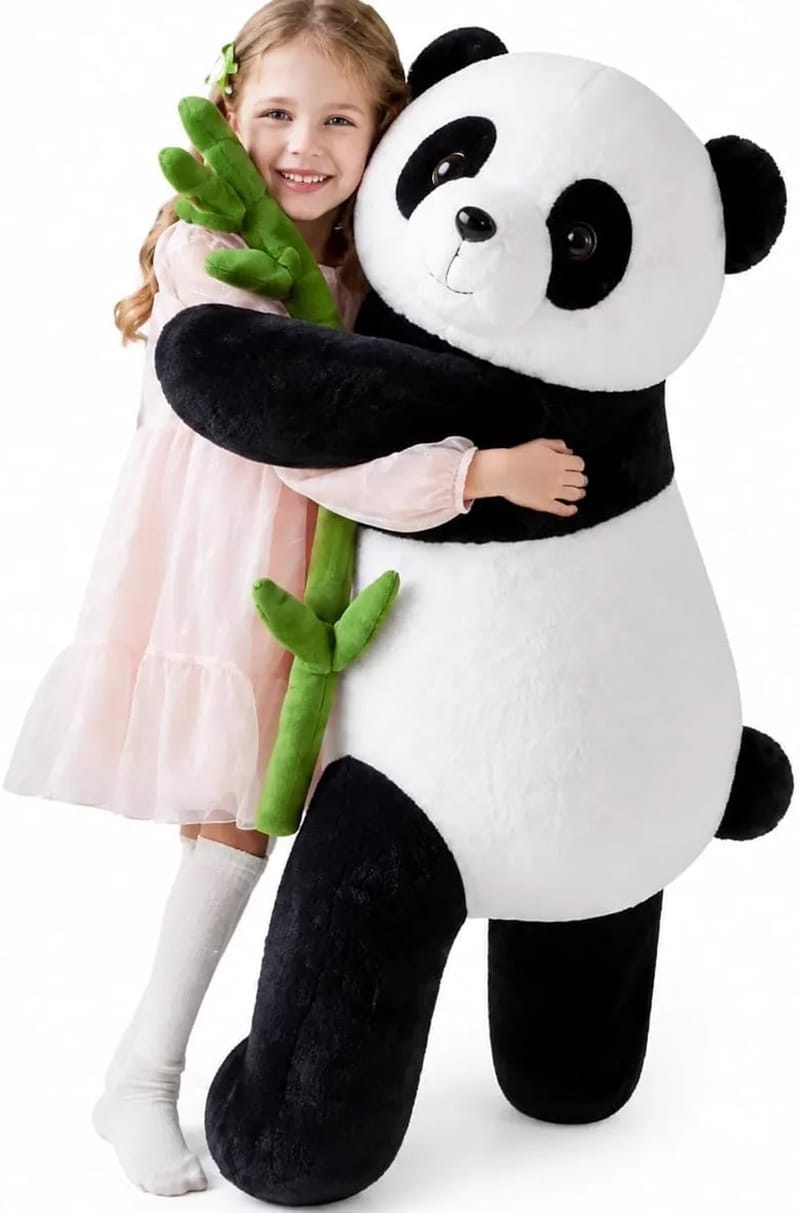
IKASA 30" Giant Panda Plush
Plush & Gifts

IKASA 30" Giant Panda Plush

A 30-inch fully stuffed plush made with third-party certified recycled content.

Best for

  • A child who wants a genuinely big panda
  • Gift buyers who care about certified recycled materials
  • Photograph props for panda enthusiasts

Why we included it

Two things make this one worth naming. The first is scale: thirty inches is roughly the size a child actually imagines, and standing next to it teaches something about panda dimensions that no photograph will. The second is that the fabric carries Global Recycled Standard certification - a verifiable third-party claim about recycled content, which is rare in plush. Stated honestly, the shape is a rounded teddy-bear panda with a simplified face rather than a naturalistic representation.

Worth knowing

  • Cartoon proportions rather than an accurate giant panda
  • The large format needs storage
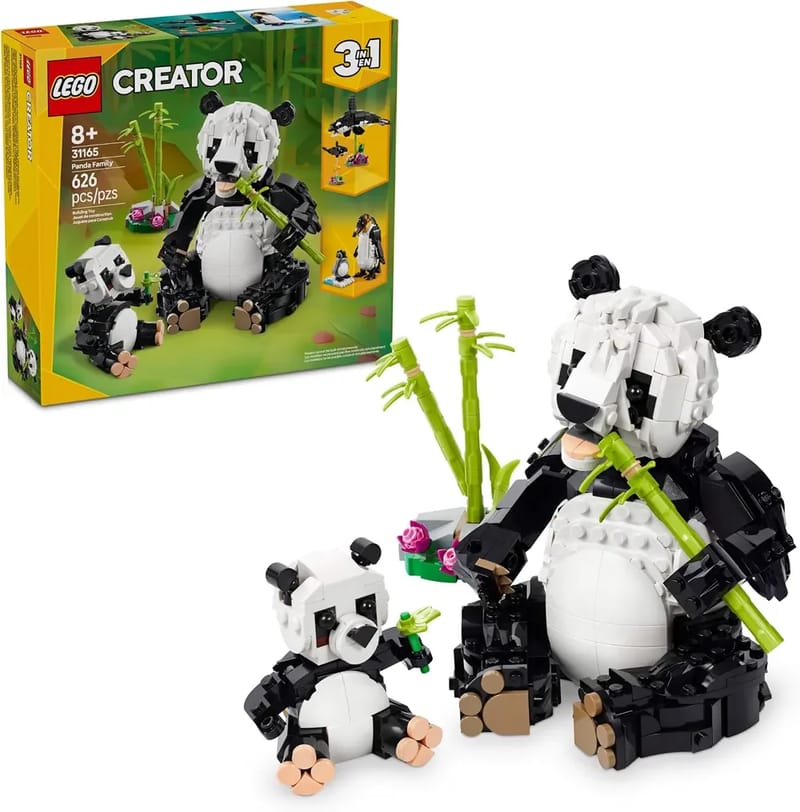
LEGO Creator 3-in-1 Wild Animals Panda Family (31165)
Plush & Gifts

LEGO Creator 3-in-1 Wild Animals Panda Family (31165)

A 626-piece set with a posable adult panda and cub, plus two display stands.

Best for

  • Children aged 8 and over
  • Panda fans who also enjoy construction toys
  • Display - the stands let it stay assembled

Why we included it

This is the most useful activity item in the collection. The adult panda is modelled with a movable head, neck, mouth and paws, which makes it a working stand-in for how a panda moves and how large the head sits relative to the body - you can pose a feeding posture, not only a sitting one. It is a genuine three-in-one set, so the panda pieces rebuild into an orca and a penguin, and the transparent stands let a finished model stay on display rather than back in the box.

Worth knowing

  • Also rebuilds into an orca and a penguin, so it is not panda-only
  • 626 pieces is a lot for younger children
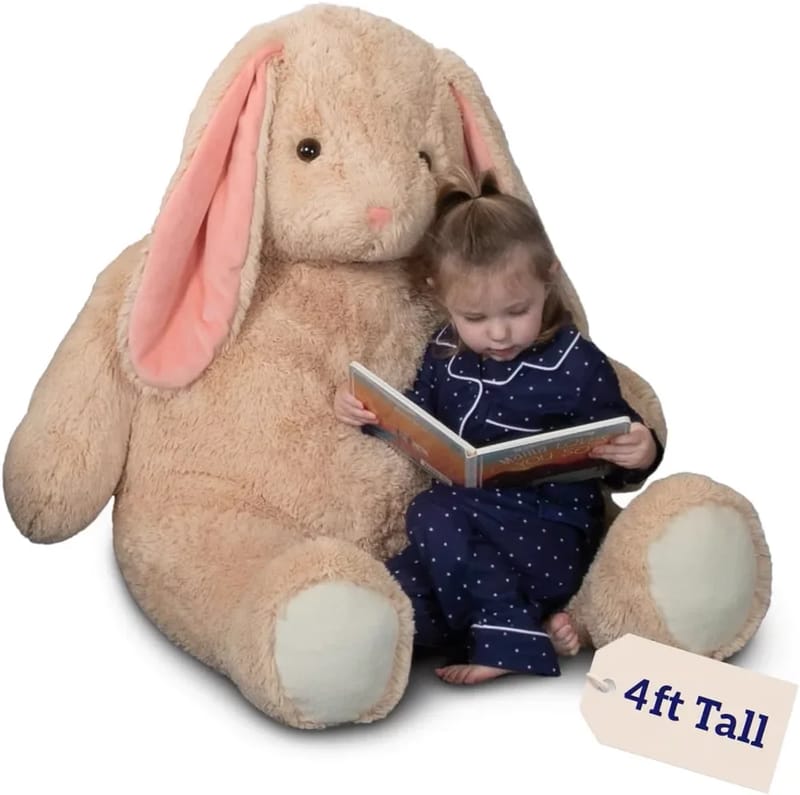
Vermont Teddy Bear Giant Panda Plush (4 ft)
Plush & Gifts

Vermont Teddy Bear Giant Panda Plush (4 ft)

A four-foot panda plush, hand-finished in Vermont with recycled stuffing.

Best for

  • Children moving up to a large plush
  • Living rooms, reading corners and waiting areas
  • Gift buyers wanting a keepsake-sized panda

Why we included it

At four feet this is large enough to sit against and small enough to keep in a room - the useful middle ground for a first large plush. It is made by a New England workshop that states its stuffing is entirely recycled, and the panda is finished by hand. Used honestly it also becomes a scale lesson: an adult giant panda stands roughly 70-80 cm at the shoulder, so a four-foot plush is a deliberate exaggeration, which is worth pointing out to a child.

Worth knowing

  • A smiling teddy-bear-style panda rather than a naturalistic one
  • Too large to be portable
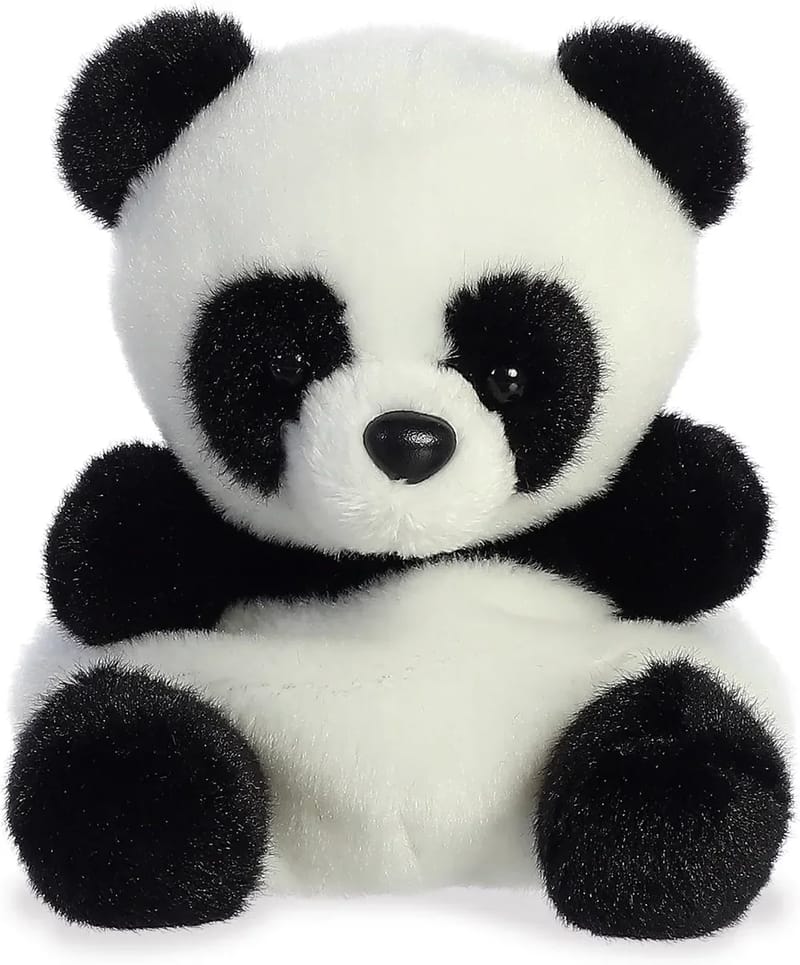
Aurora Palm Pals Bamboo Panda (4.5")
Plush & Gifts

Aurora Palm Pals Bamboo Panda (4.5")

A palm-sized panda sold singly from a budget collectible line.

Best for

  • Stocking stuffers and small add-on gifts
  • Classroom counters and party favours
  • Collectors of small wildlife plush

Why we included it

A small, inexpensive option for stocking stuffers, classroom counters or a first panda keepsake. It sits in the budget tier, which is why it is worth naming next to the large plush: not every gift has to be the main one. Its markings are stylised, and the name belongs to a collectible brand rather than to any wildlife reference, so it is a small delight rather than a natural-history item.

Worth knowing

  • Stylised cartoon proportions
  • Part of a branded collectible line, so other species in the range may suit some buyers better

Editorial note

Why these, and how we choose

People ask us where to start with pandas, and the honest answer is usually a book or two. This page is that answer, written once and kept small. It exists because the rest of this site deals in specifics - studbook numbers, birth dates, family lineages, transfers between bases - and a general "panda merchandise" page cannot be specific in the same way.

So each entry answers a narrow question: is this accurate, is it useful, and who is it actually for? Where a product is stylised, dated, or plainly a gift rather than a teaching aid, we say so in the write-up instead of glossing over it. Five questions decide what appears here at all - does it concern real giant panda research or the species in the wild, does it teach something rather than decorate something, is it useful rather than merely attractive, who exactly is it for, and does it connect to material already in our archive. A product that fails any of them is left out, which is why the list is short.

We do not display prices, star ratings or review counts here. All three change constantly, cannot be maintained honestly by hand, and are restricted by the affiliate programme we work under - the retailer's own page always has the current figures. Links are affiliate links and we may earn a commission when you buy through one; that never changes what we pick or what we write. We do not accept payment for placement.

Every product listed here was reviewed by hand on 2 October 2026.

Back to the archive

The research behind these recommendations is in the library. If a product made you curious about something specific, these are the pieces to read next.

Start with the pandas themselves

Products are the least interesting thing about this species. If you came here from a search for panda gifts, the archive is where the real material is: individual animals, the families they came from, the bases they moved between, and the four decades of research behind all of it.