Xin Bao
芯宝
5 years old
Foping Nature Reserve
Xin Bao (芯宝), birth name Quan Yun (全运), is a female giant panda born September 15, 2021 at the Qinling Panda Research Ce...
captive-bred qinling celebrity
View profile
Place archive
Foping Nature Reserve is a protected area in the Qinling Mountains, Shaanxi Province, renowned for wild panda conservation.
Foping Nature Reserve forms part of the in-situ conservation landscape for wild giant pandas, anchored by nature reserves and protected corridors within the broader panda habitat network.
How this page is organized
This page gathers the residents linked to Foping Nature Reserve, the key moments recorded here, nearby institutions, and the articles that add context.
Resident archive
1 panda recorded
The pandas currently recorded at this institution.
芯宝
Xin Bao (芯宝), birth name Quan Yun (全运), is a female giant panda born September 15, 2021 at the Qinling Panda Research Ce...
Gallery
Images and video connected to Foping Nature Reserve.
Images and video for Foping Nature Reserve will be added later.
Recorded moments
No update records have been linked to Foping Nature Reserve so far.
In the library
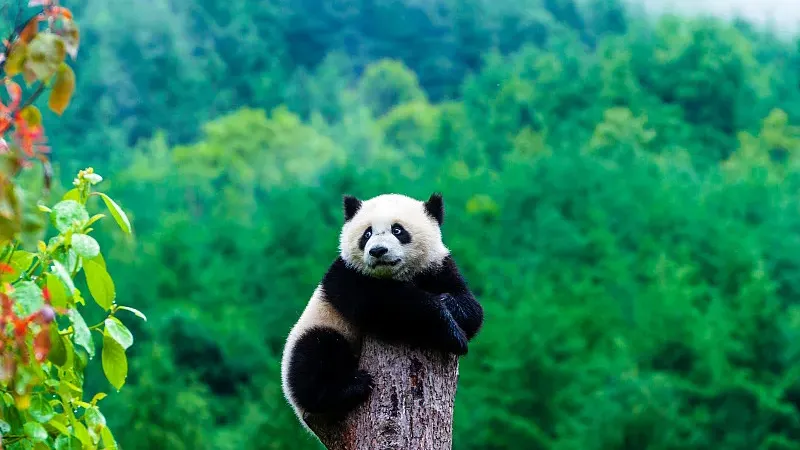
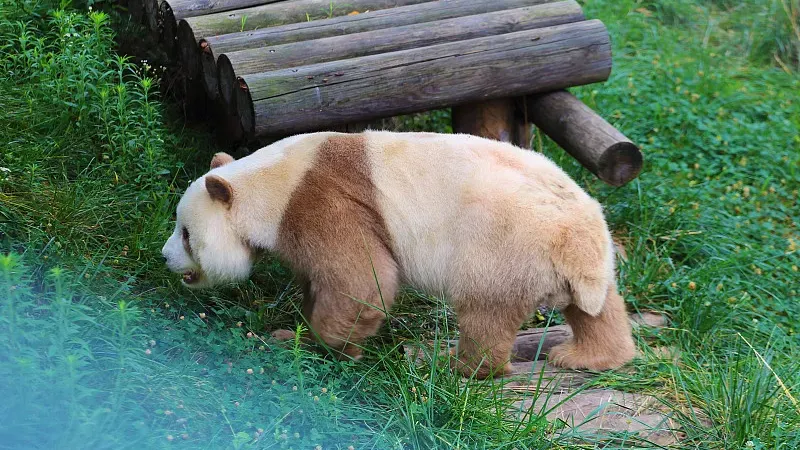
Some of the most consequential pandas in conservation history were not born in captivity — they were found dying in the wild. Basi, pulled from an icy river in 1984, lived to age 37 and became the model for the 1990 Asian Games mascot. Qi Zai, discovered as an abandoned brown cub in 2009, became the world's only captive brown panda. This article tells the stories of wild pandas saved by human intervention — and the rescue infrastructure that makes their survival possible.
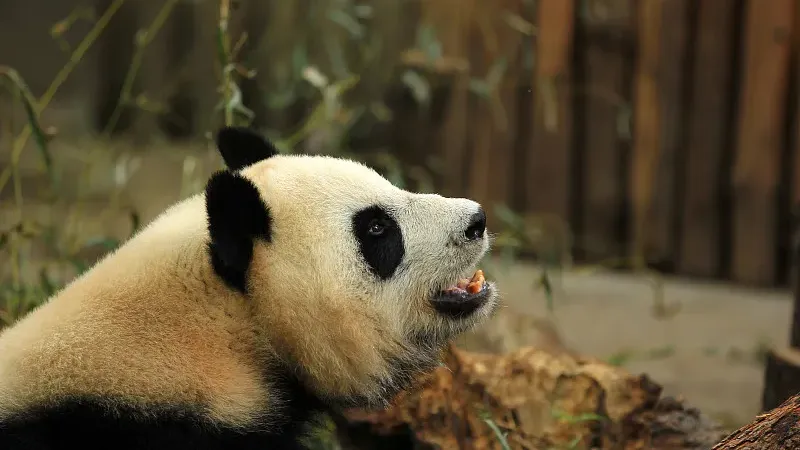
The giant panda exists in two distinct forms across two mountain ranges: the larger, darker Sichuan subspecies in the Minshan and Qionglai ranges, and the rounder-faced, browner Qinling subspecies isolated for 10,000+ years in Shaanxi. This comparative ecology article maps the habitat differences — elevation, climate, bamboo, snowfall — that have driven subtle but significant divergence between the two panda populations.
The giant panda's iconic black-and-white coloration is not random — it solves two distinct evolutionary problems simultaneously. White fur provides camouflage against snow, black patches break up the body outline in forest shade, and dark eye markings serve as individual recognition signals. This article examines the 2017 behavioral ecology study that finally decoded the panda's color pattern.
Nearby context
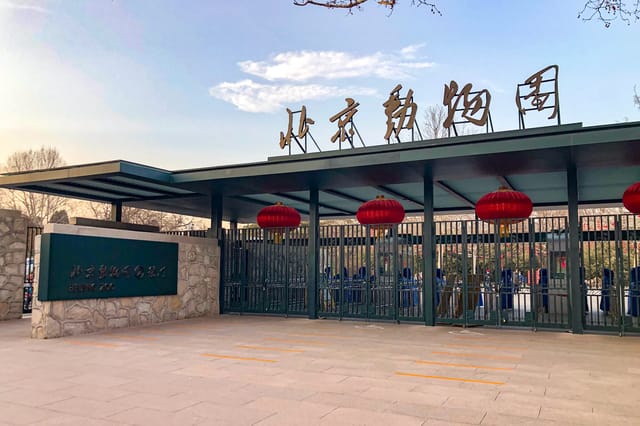
A Beijing Municipal Parks Administration notice confirms the new giant panda house opened on 2026-07-16, and lists panda-house opening hours and ticket prices. This is an open facility, not a planned one. · verified 2026-10-28
The official site describes the base's current giant panda keeping, display and education areas, and offers visitor reservations. Some areas rotating out of view does not mean the base has no pandas or is closed. · verified 2026-10-28

Chimelong's pandas are at the Guangzhou safari park, not the Zhuhai ocean park. · verified 2026-10-28
Wider geography
Move from this institution into the country view for more locations, pandas, and archive context tied to China.
World map
Coordinates: 33.6500 N, 107.9900 E