Du Du
都都
64 years old
Wuhan Zoo
Du Du is a female giant panda born on January 1, 1962 in the wild of Sichuan Province, China. She was captured as a suba...
View profilePlace archive
Wuhan Zoo, located in Hanyang District of Wuhan, Hubei Province, adjacent to the East Lake Scenic Area and Moshan Scenic Spot, is a core member of the Chinese Association of Zoological Gardens. It houses more than 2,000 individual animals representing 300 species, including national first-class protected species such as *Ailuropoda melanoleuca* (giant panda), *Rhinopithecus roxellana* (Sichuan golden snub-nosed monkey), *Lipotes vexillifer* (Yangtze river dolphin), and *Neophocaena asiaeorientalis asiaeorientalis* (Yangtze finless porpoise), as well as IUCN Red List Critically Endangered species such as *Psephurus gladius* (Chinese paddlefish, captive preservation of genetic samples) and *Cuon alpinus* (d
Wuhan Zoo houses giant pandas under international loan agreement with the China Conservation and Research Center, as part of the cooperative panda diplomacy and ex-situ conservation network.
How this page is organized
This page gathers the residents linked to Wuhan Zoo, the key moments recorded here, nearby institutions, and the articles that add context.
Resident archive
1 panda recorded
Pandas that were once linked to this institution.
都都
Du Du is a female giant panda born on January 1, 1962 in the wild of Sichuan Province, China. She was captured as a suba...
View profileGallery
Images and video connected to Wuhan Zoo.
Recorded moments
In the library
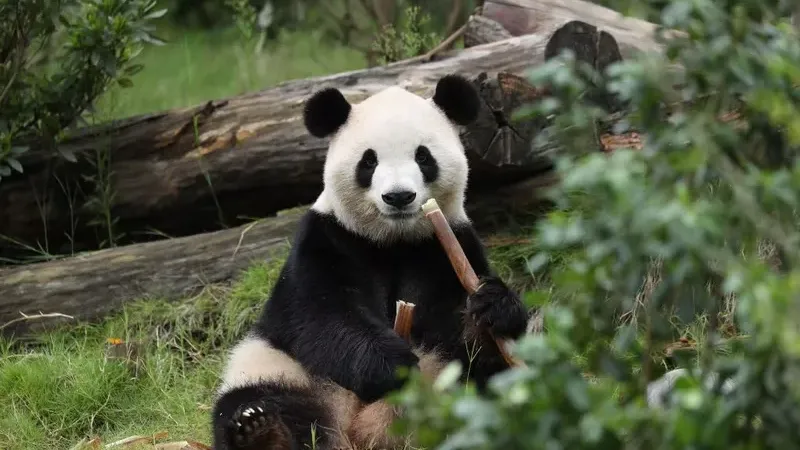
On September 27, 2026 at 02:55, Ping Ping and Fu Shuang boarded a charter flight from Chengdu Shuangliu Airport and landed safely at Zoo Atlanta at 08:55 US time the same day, opening a 10-year conservation stay with a three-month quarantine overseen by Chinese staff — the closing chapter of a timeline that opened with Zoo Atlanta's April 2026 agreement and the September 24 White House announcement. This is the next chapter of a panda story that began at the zoo in 1999: 25 years of cooperation, seven Atlanta-born cubs, the 2024 homecoming, and now a new partnership.
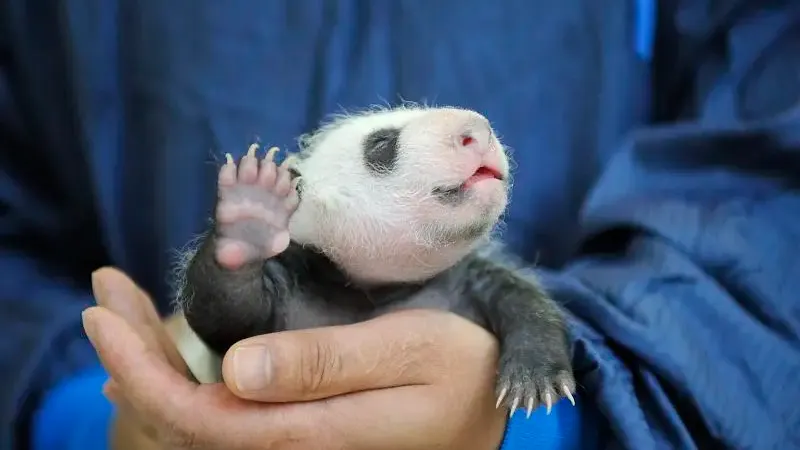
Every captive giant panda on Earth is recorded in a single global database — the International Studbook — which tracks lineage, calculates genetic relatedness, and determines each year's breeding recommendations. This article explains how studbook managers use population genetics software to maintain 90% genetic diversity across 700 captive pandas, making the panda breeding program one of the most mathematically sophisticated conservation efforts in history.
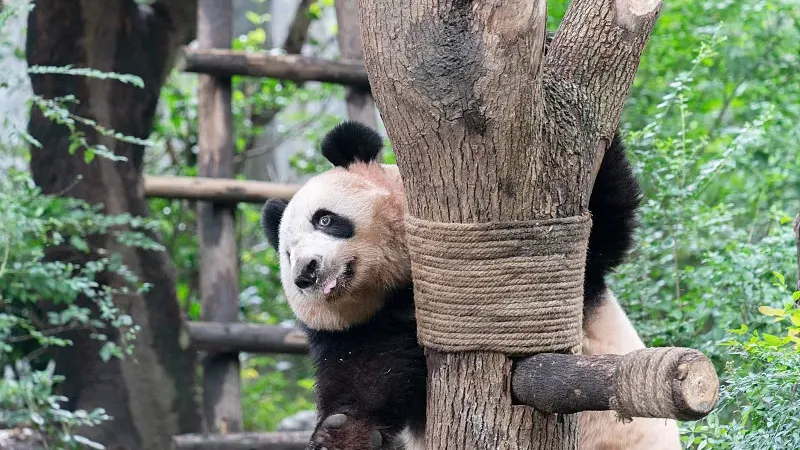
In 2009, an international team led by BGI-Shenzhen published the first complete giant panda genome — a 2.4 billion base-pair blueprint that revealed why pandas lost the taste for meat, how they digest bamboo with bacterial help, and why their genetic diversity offers hope for survival. This article follows the science from Jing Jing's blood sample to today's conservation genomics, covering TAS1R1 umami pseudogenization, the Illumina sequencing revolution, and what the genome means for the species' future.
Nearby context
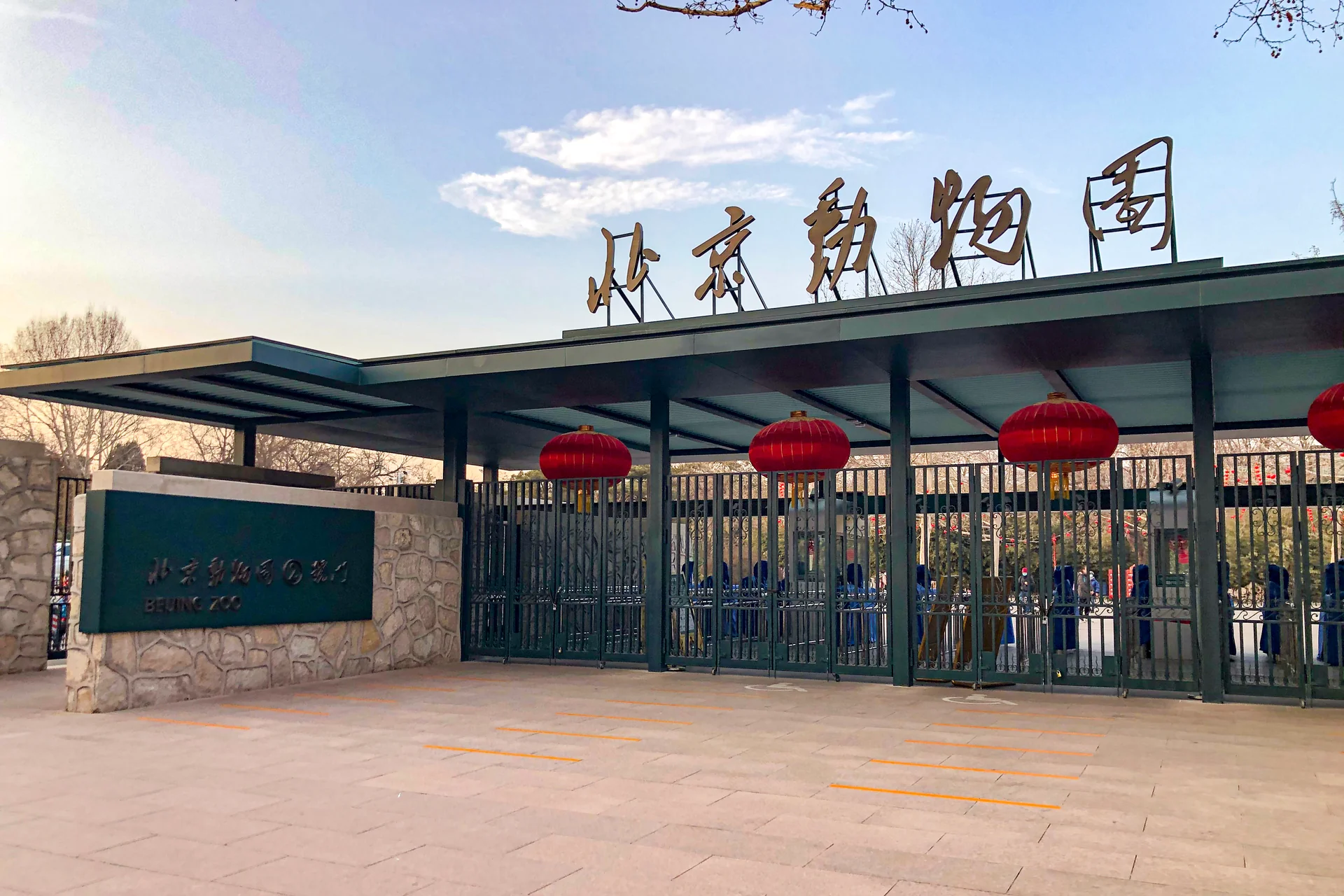
Wider geography
Move from this institution into the country view for more locations, pandas, and archive context tied to China.
World map
Coordinates: 30.5475 N, 114.2344 E
Confirms current panda 'Wulin', June 2024. Verified 2026-10-19.
Archive notes
Wuhan Zoo, located in Hanyang District of Wuhan, Hubei Province, adjacent to the East Lake Scenic Area and Moshan Scenic Spot, is a core member of the Chinese Association of Zoological Gardens. It houses more than 2,000 individual animals representing 300 species, including national first-class protected species such as Ailuropoda melanoleuca (giant panda), Rhinopithecus roxellana (Sichuan golden snub-nosed monkey), Lipotes vexillifer (Yangtze river dolphin), and Neophocaena asiaeorientalis asiaeorientalis (Yangtze finless porpoise), as well as IUCN Red List Critically Endangered species such as Psephurus gladius (Chinese paddlefish, captive preservation of genetic samples) and Cuon alpinus (d