Historic Wild Panda Rescues: Basi, Qi Zai, and Other Survivors
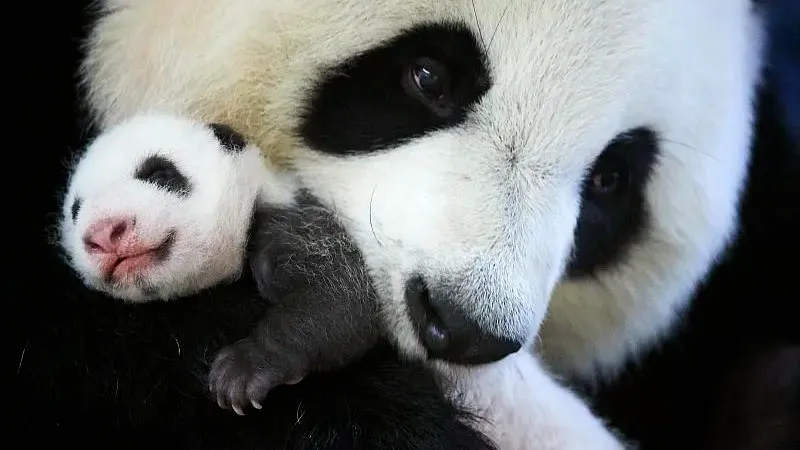
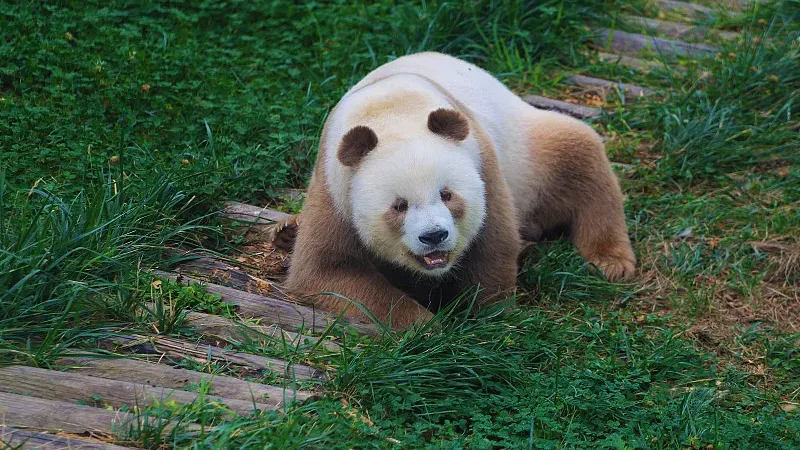
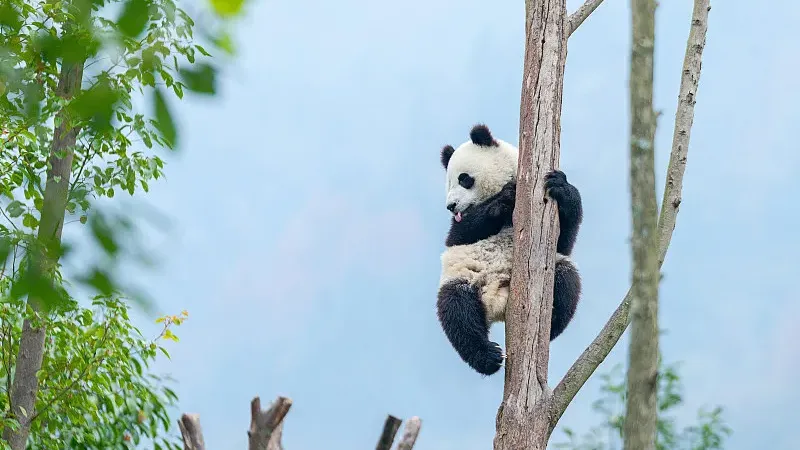
Some of the most famous pandas in history were found near death in the wild — starving, injured, or abandoned — and rescued by villagers and rangers who carried them to safety. This article tells the stories of the most dramatic panda rescues: Basi, rescued from an icy river; Qi Zai, the abandoned brown cub; and others whose survival against the odds became the foundation stories of modern panda conservation.
1963 Breakthrough: The First Ever Captive Panda Birth at Beijing Zoo
In 1963, at the Beijing Zoo, a female panda named Li Li gave birth to Ming Ming — the first giant panda cub ever born in captivity. This article tells the story of the historic birth, the keepers and scientists who made it possible, and how this single event launched the modern era of captive panda breeding.
Global Panda Distribution Index: A 58-Location Spatiotemporal Report
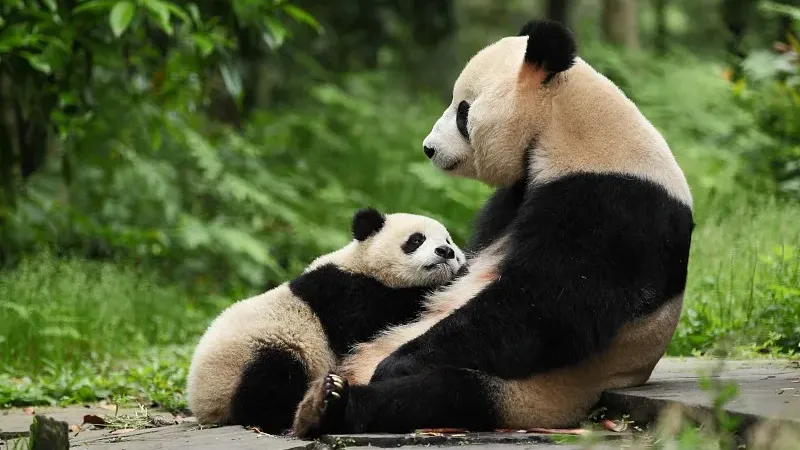
The giant panda's global distribution spans 58 locations across continents — from the bamboo forests of Sichuan to climate-controlled enclosures in Singapore. This article provides an overview of the panda diaspora: where pandas live, why they're there, and what the geographic distribution reveals about panda diplomacy, conservation, and the species' remarkable adaptability.
International Vet Cooperation: Solving Overseas Panda Health Crises
When a panda falls ill in a zoo thousands of miles from China, the response is not local — it is global. Chinese veterinary teams fly to foreign zoos. Foreign keepers travel to China for training. Video consultations connect specialists across continents. This article explores the hidden international medical network that keeps the global panda diaspora healthy — from emergency surgeries to chronic disease management to the delicate art of diagnosing a panda that cannot describe its symptoms.
From Kung Fu Panda to Bing Dwen Dwen: Panda Images on Global Screens
From DreamWorks' $1.8 billion Kung Fu Panda franchise to the Beijing Winter Olympics' Bing Dwen Dwen, the panda has become one of the most commercially successful animated characters in history. This article traces the panda's evolution on screen — how a reclusive bamboo-eater became an action hero, a mascot, and a global screen icon.
Madrid Zoo's 40-Year Panda Friendship: Spain's Bamboo Legacy
Since 1978, when Spain received pandas as a gift from China, Madrid Zoo has maintained one of Europe's longest continuous panda programs. This article traces four decades of Spanish panda history — from the legendary Chu-Lin (Europe's first captive-born panda) to the current generation — and the deep cultural bond between Spain and its pandas.
Malaysia's Panda Daughters: The Story of Nuan Nuan, Yi Yi and Sheng Yi
In a remarkable five-year span, Malaysia's Zoo Negara celebrated three panda births — Nuan Nuan (2015), Yi Yi (2018), and Sheng Yi (2021) — an extraordinary breeding success in one of the world's most challenging panda climates. This article tells the story of Malaysia's panda program and the three daughters who became national treasures.
The Great Return: Why Overseas-Born Pandas Must Come Home
Every panda born outside China must return by age four — a clause that shapes the emotional landscape of international panda cooperation. From Tai Shan (2005) to Fu Bao (2024), this article traces the biological, legal, and emotional dimensions of the panda homecoming, examining what happens when an overseas-born panda lands in Chengdu and must learn to be a Chinese panda.
Pan Pan's Dynasty: The Hero Father Behind 25% of All Captive Pandas
Studbook #001. 130+ descendants. 25% of the global captive population. Pan Pan was the most genetically prolific giant panda in history — rescued from the wild as a cub, he became the founding sire who rescued the captive breeding program from collapse. This is the story of the panda who became a dynasty, the genetic legacy that now defines a quarter of all captive pandas, and the complex management challenge his extraordinary reproductive success created.
Pandas in Art: From Ancient Ink to Modern Street Murals
Long before pandas appeared on stamps, coins, and Olympic mascots, they inhabited Chinese visual culture — tentatively at first, as strange bears in the margins of imperial bestiaries, and then, explosively, as the subject of 20th-century ink paintings, propaganda posters, contemporary installations, and global street art. This article traces the panda's journey through art history: how visual artists across cultures have interpreted, mythologized, and commercialized the panda's image.
Panda Collectibles Guide: From 1980s Enamel Mugs to Modern Art Toys
Panda merchandise has evolved from simple souvenirs into a sophisticated collector's market spanning vintage propaganda posters, limited-edition stamps, designer art toys, and luxury fashion collaborations. This article traces the history of panda collectibles and their cultural significance.
Communities Around Pandas: Balancing Livelihoods and Conservation
Approximately 180,000 people live within the Giant Panda National Park — their farms, villages, and livelihoods interwoven with panda habitat. This article explores how community-based conservation programs are transforming former loggers into park rangers, farmers into eco-tourism operators, and local residents into panda protectors.