2°C Warmer: Climate Change Threats to Panda Habitats by 2050
Climate models project that the bamboo forests pandas depend on could shrink by 35-80% by 2070 under high-emissions scenarios, with lower-elevation habitats becoming unsuitable as temperatures rise. This article examines the specific mechanisms by which climate change threatens pandas — bamboo species migration, habitat compression, and seasonal disruption — and the conservation strategies being developed to protect pandas in a warming world.
Feeding Pandas Across Europe: The Transnational Bamboo Supply Chain
Every panda in a European zoo eats bamboo — but where does it come from? This article traces the hidden logistics of panda nutrition abroad: the bamboo plantations in southern France that supply zoos across the continent, the weekly refrigerated truck deliveries, and the challenges of feeding bamboo specialists in climates where bamboo does not naturally grow.
China's Giant Panda National Park: The Six Mountain Range Habitats
The Giant Panda National Park, established in 2021, spans 27,000 square kilometers across Sichuan, Shaanxi, and Gansu provinces. This article maps the six mountain ranges — Minshan, Qionglai, Daxiangling, Xiaoxiangling, Liangshan, and Qinling — that form the panda's last wild strongholds, exploring how each range's distinct microclimate, bamboo diversity, and elevation profile shapes the pandas that live there.
The International Studbook: How Big Data Prevents Panda Inbreeding
Every captive giant panda on Earth is recorded in a single global database — the International Studbook — which tracks lineage, calculates genetic relatedness, and determines each year's breeding recommendations. This article explains how studbook managers use population genetics software to maintain 90% genetic diversity across 700 captive pandas, making the panda breeding program one of the most mathematically sophisticated conservation efforts in history.
Minshan vs. Qinling: How Two Mountain Ranges Shape Different Pandas
The giant panda exists in two distinct forms across two mountain ranges: the larger, darker Sichuan subspecies in the Minshan and Qionglai ranges, and the rounder-faced, browner Qinling subspecies isolated for 10,000 years in Shaanxi. This comparative ecology article maps the habitat differences — elevation, climate, bamboo, snowfall — that have driven subtle but significant divergence between the two panda populations.
Panda Bamboo: The Species That Sustain a Super-Specialist
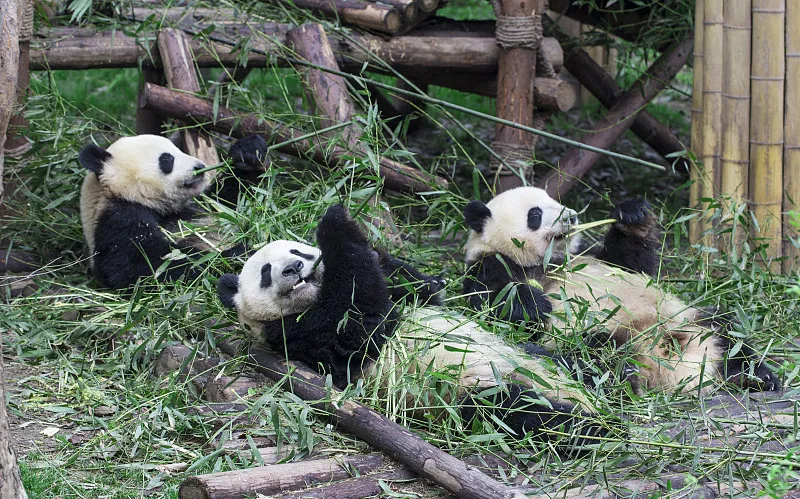
Of the approximately 1,400 bamboo species on Earth, giant pandas reliably eat only 25-30 — all from the mountain forests of central China. This article provides a deep-dive into the bamboo species that sustain pandas: the dominant Bashania and Fargesia genera, their nutritional profiles, their seasonal availability, and why protecting bamboo diversity is synonymous with protecting pandas.
The Bamboo Grinder: Panda Dental Health and Worn Teeth
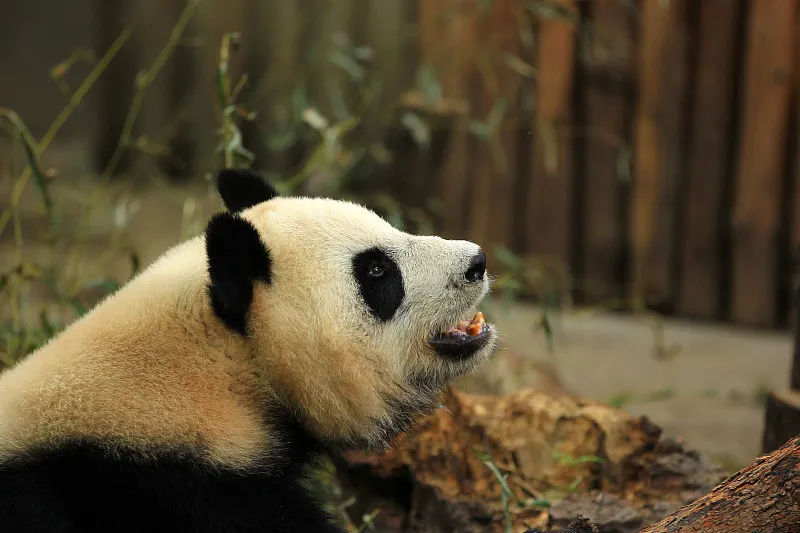
A panda's molars crush bamboo for 12-16 hours daily, accumulating decades of abrasive wear from silica-rich plant fiber. By age 20, the enamel may be gone entirely. This article examines panda dental anatomy, the pathology of tooth wear, the veterinary dentistry that repairs broken teeth, and why dental health is the single greatest determinant of panda lifespan in the wild.
Common Panda Diseases: From Gut Blockages to Parasite Prevention
The giant panda's specialized bamboo diet and carnivore digestive anatomy make it vulnerable to a specific set of diseases: mucus diarrhea from microbiome disruption, intestinal blockages from bamboo fiber impaction, ascariasis from roundworm parasites, and dental infections from worn teeth. This article examines each major panda health threat, its causes, and the veterinary protocols that keep captive pandas healthy.
From Endangered to Vulnerable: The Science Behind the IUCN Status Change
In September 2016, the International Union for Conservation of Nature (IUCN) announced that the giant panda had been downgraded from 'Endangered' to 'Vulnerable' — a declaration that the species was no longer at imminent risk of extinction. This article examines the population data, the habitat recovery statistics, and the conservation investments that made the reclassification possible, while exploring why 'Vulnerable' still demands vigilance.
Why Pandas Need Toys: The Science of Environmental Enrichment
A bored panda paces. It head-bobs. It grooms itself until the fur wears thin. These are stereotypic behaviors — signs of an intelligent animal with nothing to do. This article explores the science of environmental enrichment: why pandas need mental stimulation, how keepers design puzzles and toys that challenge panda brains, and the remarkable behavioral transformations that occur when enrichment is done right.
Guardians of the Forest: Infrared Cameras and Wild Panda Monitoring
Thousands of infrared camera traps hidden in the bamboo forests of China photograph wild pandas as they eat, travel, and raise cubs — without ever disturbing them. This article explores the technology behind camera-trap monitoring, the remarkable behaviors these cameras have revealed, and the human rangers who trek through remote mountains to maintain the devices that are transforming our understanding of wild panda life.
Panda Genome Sequencing: How DNA Research Changed Conservation
In 2009, scientists published the first complete giant panda genome — revealing the genetic basis of the panda's bamboo diet, its lost umami taste, and its evolutionary history. This article explains what the genome taught us and how genomic research continues to shape panda conservation.