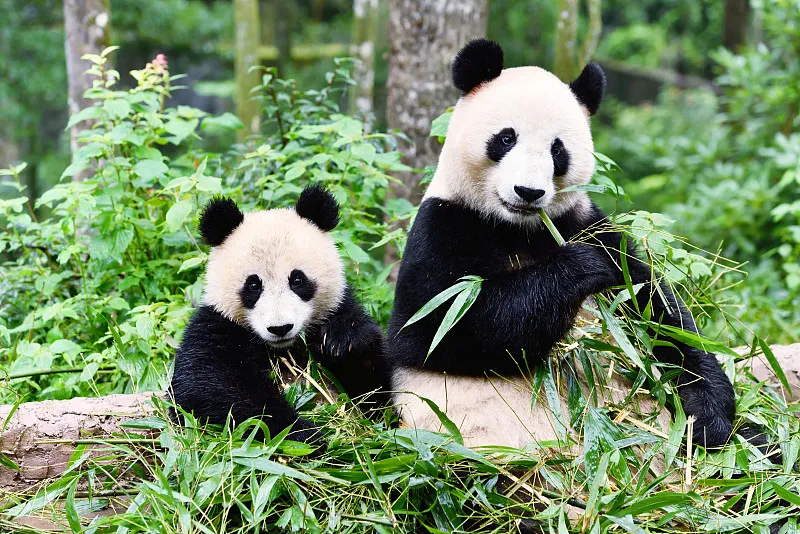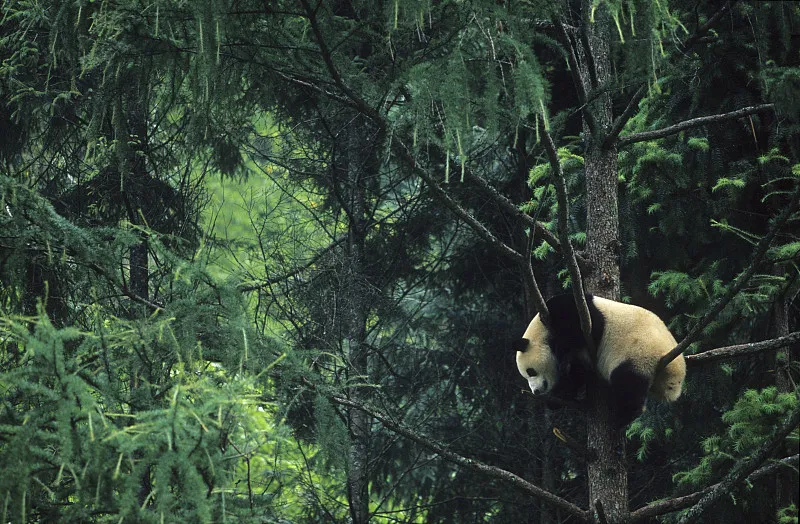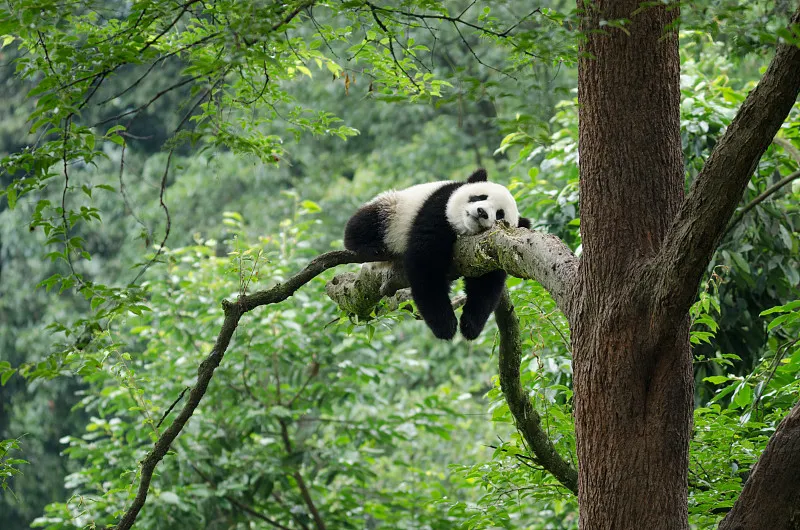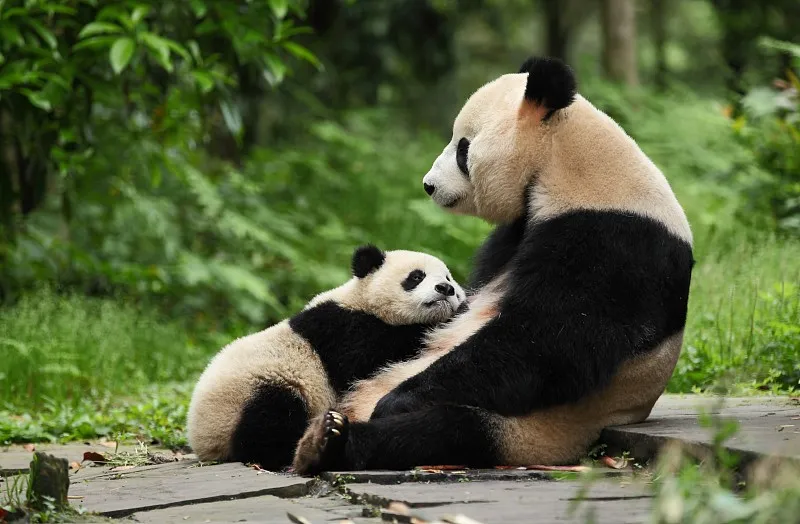
Why Pandas Need Toys: The Science of Environmental Enrichment
Key Fact: In the wild, a giant panda spends 10-16 hours daily navigating complex terrain, selecting among bamboo species, avoiding rivals, and solving the constant problems of survival. In captivity, food appears on schedule in the same locations. The enclosure is familiar. Nothing changes. For an intelligent animal evolved for environmental complexity, this predictability is cognitively devastating — producing stereotypic behaviors that signal psychological distress. Environmental enrichment — the deliberate introduction of novelty, challenge, and sensory stimulation — is the keeper’s primary tool against panda boredom, and the science behind it has transformed captive panda welfare.
Key Takeaways
-
Bored pandas develop stereotypic behaviors — repetitive pacing, head-bobbing, and over-grooming that signal psychological distress.
-
Enrichment mimics the cognitive challenges of wild living — food puzzles, scent trails, and novel objects engage panda brains the way foraging and territory navigation engage wild pandas.
-
Enrichment must be rotated constantly — pandas habituate quickly, requiring keepers to maintain a constantly changing inventory of toys, puzzles, and sensory experiences.
The panda in enclosure 12 walks the same 8-meter path along the fence line. Back. Forth. Back. Forth. She has walked this path for 45 minutes. She is not looking for anything. She is not going anywhere. She is pacing — her body moving through a behavior that has no function, no goal, no end. The bamboo in her enclosure is fresh. Her weight is normal. Her last veterinary exam was clean.
By every physical measure, she is healthy. By every behavioral measure, she is suffering.
This is the face of panda boredom — and it is one of the most persistent challenges in captive panda management. The solution is not medication. It is not a bigger enclosure. It is enrichment: the systematic provision of novelty, challenge, and sensory stimulation that engages the panda’s brain the way wild living engages a wild panda’s brain.
The Cognitive Cost of Captivity
Wild pandas are not intellectually idle. Every day requires navigation, food selection, territory assessment, and social decision-making. A wild panda decides which bamboo patch to visit, which elevation to move to, whether the scent on that tree belongs to a neighbor or a stranger. These decisions, repeated thousands of times across a lifetime, constitute cognitive exercise.
Captive pandas make almost no decisions. Food appears on schedule. The enclosure never changes. There are no strangers to assess, no territories to patrol, no bamboo patches to compare. The cognitive machinery that evolution built for a life of complex foraging and social navigation sits idle.
For some pandas, this idleness is tolerated. For others, it is not. The stereotypic behaviors that emerge — pacing, head-bobbing, over-grooming, tongue-flicking — are the behavioral equivalent of a pressure release valve. The panda’s brain, starved of stimulation, generates its own. Our article on panda behavioral training and medical cooperation explores how positive reinforcement channels this cognitive energy productively.
The Enrichment Toolkit
Modern panda enrichment is a science disguised as a toy box. Keepers at the Chengdu Research Base maintain a rotating inventory of approximately 200 enrichment items, categorized by the type of stimulation they provide:
Food-based enrichment. The most powerful category, because it engages the panda’s primary motivation. Puzzle feeders — perforated plastic cylinders, PVC tubes, hollow logs — contain hidden treats that the panda must manipulate to release. A hanging puzzle feeder requires the panda to stand on its hind legs, rotate the cylinder with its paws, and align the holes to release apple pieces — a cognitive and physical challenge simultaneously.
Sensory enrichment. Pandas are olfactory animals, and novel scents are powerfully engaging. Keepers spray diluted cinnamon, peppermint, vanilla, or fruit extracts on logs, burlap sacks, and enclosure furniture. The panda investigates with intense focus, sniffing, rubbing, and sometimes rolling on the scented objects. The scents that wild pandas would naturally encounter — other pandas’ scent marks, the smell of different bamboo species, the musk of other forest animals — are absent in captivity; sensory enrichment partially replaces them.
Physical/structural enrichment. Climbing structures, hammocks, swinging logs, and varied terrain provide physical challenge and novelty. A new log placed in a different location is an event. A fire hose hammock installed at a new angle creates a new napping spot. The changes are modest by human standards but significant to an animal whose world is otherwise unchanging.
Social enrichment. For pandas housed in adjacent enclosures with visual or olfactory access to neighbors, the presence of another panda is itself enrichment. Some facilities rotate pandas between enclosures specifically so each panda encounters the scent of the previous occupant — a form of “scent-mail” that provides social stimulation without physical contact.
Counter-intuitive fact! 🧠 The most effective enrichment item is often the simplest: a cardboard box. Pandas will spend 20-30 minutes investigating, manipulating, and ultimately destroying a simple cardboard box. The box is novel, destructible, and makes interesting sounds. It costs pennies. The lesson for enrichment science is that novelty often matters more than complexity.
The Rotation Imperative
A panda that receives the same enrichment item every day will habituate to it within a week. The item becomes part of the predictable environment — another familiar object to ignore. Effective enrichment requires constant rotation: a different puzzle feeder on Monday than on Tuesday, a different scent on Wednesday than on Thursday, a different structural change each week.
The keeper’s enrichment log tracks which items have been used for which panda on which days, preventing repetition. It also records each panda’s individual response — which items engage them longest, which they ignore, which they destroy too quickly to be cost-effective. Over months and years, these logs build individual enrichment profiles that allow keepers to tailor stimulation to each panda’s personality and preferences.
Frequently Asked Questions
Do wild pandas need enrichment?
No — the wild environment provides constant enrichment naturally. Wild pandas navigate complex terrain, select among diverse bamboo patches, encounter other animals, and face unpredictable challenges daily. Captivity removes these natural challenges, and enrichment is the attempt to replace them.
Can too much enrichment stress a panda?
Yes. Enrichment must be calibrated to the individual panda’s tolerance. An elderly panda with arthritis should not be given enrichment that requires extensive climbing. A timid panda may be frightened by a novel object rather than engaged by it. Keepers monitor panda responses and adjust enrichment accordingly. The goal is optimal stimulation, not maximum.
What’s the most unusual enrichment item ever used?
Keepers have used everything from perfume samples (diluted, on burlap) to recordings of wild panda vocalizations to “panda-safe” pinatas filled with bamboo shoots. The creativity of enrichment design is limited only by safety considerations and the keeper’s imagination.
The panda in enclosure 12 has stopped pacing. A new puzzle feeder hangs from the overhead cable — a perforated sphere containing apple slices. The panda stands on its hind legs, reaching up, pawing at the sphere, trying to align the holes. It will work on this puzzle for 40 minutes. When the last apple piece falls, the panda will eat it and settle into a nap. The pacing will not return today. The brain has been fed.