Table of contents (11 sections)
San Diego’s Frozen Zoo: Preserving Panda Genes for the Future
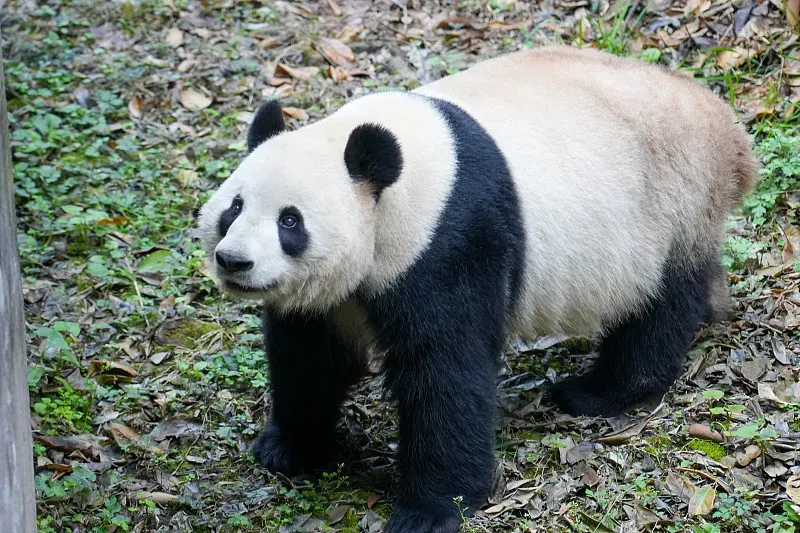
Key Fact: In a laboratory in San Diego, California, thousands of tiny vials are suspended in stainless steel tanks filled with liquid nitrogen at -196°C. Among them are the preserved cells of Bai Yun, Gao Gao, and generations of pandas who lived at the San Diego Zoo during its 23-year panda program. This is the Frozen Zoo — the world’s largest wildlife biobank — and its panda collection represents a genetic insurance policy for the species. Every vial contains a complete panda genome, frozen in time, theoretically viable for centuries, ready to be thawed if the living population ever faces a genetic crisis that only the dead can solve.
Key Takeaways
-
The Frozen Zoo preserves complete panda genomes — genetic material frozen at -196°C, theoretically viable for centuries, holding total genetic diversity beyond what the living population currently expresses.
-
It has already been used for real-world species restoration. Elizabeth Ann, the cloned black-footed ferret born in 2020 using Frozen Zoo material from 1988, proves the concept works — and establishes a precedent for what panda biobanking could achieve.
-
The Frozen Zoo is not a plan for de-extinction — it is an insurance policy against catastrophe. The goal is to never need to use it for that purpose. Its primary value today is in research, assisted reproduction, and genetic monitoring.
The Birth of an Idea
The Frozen Zoo did not start with pandas. It started with a pathologist named Dr. Kurt Benirschke, who in 1972 began preserving tissue samples from endangered species at the San Diego Zoo because he realized something that seems obvious in retrospect: when a species loses individuals, it loses their genetic material forever. There was no backup. Benirschke asked a simple question: what if we made one?
The vials he collected in the 1970s — from species like the California condor, the Arabian oryx, the Hawaiian crow — are still in the Frozen Zoo today. Some of those species were extinct in the wild when their genetic material was banked. Some were later reintroduced. The Frozen Zoo was there for both the losses and the recoveries, quietly holding copies of each species’ genome.
Dr. Oliver Ryder, Benirschke’s successor and the Frozen Zoo’s director for over 40 years, expanded the collection into a global resource. By the time Bai Yun arrived at San Diego in 1996, the Frozen Zoo already held material from thousands of animals. Adding panda samples to the collection was a natural extension of a philosophy that had been developing for over two decades.
From Bai Yun to the Biobank
Today, the Frozen Zoo’s panda collection includes:
| Material Type | Donor Pandas | Primary Use |
|---|---|---|
| Skin fibroblast cell lines | Bai Yun, Gao Gao, Hua Mei, Mei Sheng, Su Lin, Zhen Zhen, Yun Zi, Xiao Liwu | Complete genome preservation; research; potential cloning |
| Semen | Multiple males from San Diego program | Artificial insemination; potential reintroduction of lost lineages |
| Whole blood and serum | Routine health samples from all San Diego pandas | Disease research; immune function studies; biomarker discovery |
| Ovarian tissue | Opportunistic collection during health procedures | Research; potential future in vitro oocyte maturation |
| DNA extracts | All San Diego pandas + collaborations with other institutions | Genomic sequencing; population genetics; evolutionary studies |
Each sample follows a rigorous protocol. A 3mm skin biopsy is minced into fragments, placed in culture medium, and incubated at 37°C. Over two to four weeks, fibroblasts grow from the tissue fragments and form a confluent layer. These cells are treated with trypsin to detach them, resuspended in a cryoprotectant solution — typically 10% dimethyl sulfoxide (DMSO) in culture medium — and cooled at a controlled rate of -1°C per minute to -80°C before transfer to liquid nitrogen at -196°C.
The key step is the controlled cooling. If cells are frozen too quickly, water inside them forms ice crystals that rupture membranes. If too slowly, the cells are damaged by osmotic stress. The -1°C per minute rate allows water to leave the cells gradually, leaving the interior dehydrated rather than frozen.
At -196°C, molecular motion effectively ceases. DNA degrades at a rate of approximately 2-3% per million years at this temperature — meaning a cell frozen today would retain readable DNA for tens of thousands of years. The practical limit is not biology but logistics: as long as someone refills the liquid nitrogen every week, the cells remain viable essentially indefinitely.
What the Frozen Zoo Can Do
The Frozen Zoo serves three practical purposes for panda conservation:
1. Assisted Reproduction
Frozen semen from panda males can be used for artificial insemination (AI) — a technique already standard in panda breeding, with over 60% success rate in expert hands. What makes the Frozen Zoo valuable here is that it preserves semen from males whose genetic lineages may have become underrepresented in the living population. A male who died in 2000 could theoretically father cubs today, reintroducing genetic diversity that has been lost through drift.
The genetic management system described in our article on panda studbook genetic management uses software called PMx to track the mean kinship and gene diversity of every living panda. PMx can identify specific genetic variants that are declining — and the Frozen Zoo can provide the material needed to reintroduce them.
2. Genetic Research
The living panda population offers a snapshot of panda genetics — the genes expressed in the current generation. The Frozen Zoo offers a time series: genetic material from pandas living in different decades, under different conditions, from different wild populations.
This time depth is invaluable for genomic research:
-
Population history. Frozen samples from wild-born pandas (Gao Gao, born wild ~1991) vs captive-born pandas allow scientists to compare genetic diversity between wild and captive populations over time.
-
Disease susceptibility. Cell lines can be screened for genetic variants associated with disease — for example, epilepsy (which has been documented in some captive pandas at higher-than-expected rates) or cancer susceptibility.
-
Evolutionary genomics. Comparing panda genomes with those of other bears — provided by the Frozen Zoo’s broader bear collection — reveals the genetic changes that made pandas unique: their bamboo diet, their pseudo-thumb, their low metabolic rate.
The genomic research described in our article on panda genome sequencing drew extensively on Frozen Zoo samples to establish the reference panda genome.
3. Species Restoration Insurance
The most dramatic potential application is also the least likely to be needed: de-extinction backup. If the panda were to go extinct in the wild, the Frozen Zoo would hold the complete genetic material to, in theory, recreate the species.
Beyond Pandas: What the Frozen Zoo Has Already Achieved
The Frozen Zoo’s track record with other species provides the best evidence of what it could do for pandas.
| Species | Year | Achievement | Relevance to Pandas |
|---|---|---|---|
| Black-footed ferret | 2020 | Elizabeth Ann, first US endangered species clone, born from Frozen Zoo material collected in 1988 | Proof of concept: biobanked material from 32 years earlier produced a living animal |
| Przewalski’s horse | 2021 | Kurt, the first successfully cloned Przewalski’s horse, born from Frozen Zoo stallion material collected in 1980 | Second species successfully cloned from Frozen Zoo; demonstrates reproducibility |
| Northern white rhino | Ongoing | Frozen Zoo holds cell lines from 12 individuals (last 8 remaining); iPSC research aims to produce eggs and sperm | Most advanced assisted reproduction project using Frozen Zoo material; demonstrates iPSC route to gametes |
| Coral species | 2019+ | Cryopreserved coral larvae for reef restoration | Demonstrates ecological-scale application of cryopreservation |
Elizabeth Ann was the breakthrough. A black-footed ferret named Willa died in 1988, leaving no surviving offspring. Her tissue was processed and frozen in the Frozen Zoo. Thirty-two years later, scientists thawed her cells, used somatic cell nuclear transfer (SCNT) to insert her DNA into ferret eggs, and produced a litter of ferret kits. Elizabeth Ann was the only surviving kit. She was ferret — in appearance, behavior, and health — but she was genetically Willa, born three decades after Willa’s death.
If a black-footed ferret can be cloned from cells frozen in 1988, a panda could, in principle, be cloned from cells frozen today. The genetic machinery is the same. The technical challenge is not the freezing — it is the cloning.
Kurt the Przewalski’s horse (2021) built on the ferret success by targeting a species that was technically extinct in the wild until successful reintroductions in the 1990s. The Frozen Zoo held genetic material from a stallion collected in 1980, whose lineage was genetically distinct from most living individuals. Kurt was created to reintroduce that lost genetic diversity.
The northern white rhino project represents the state of the art. With only two females (both incapable of natural reproduction) remaining, the species is functionally extinct. The Frozen Zoo holds cell lines from twelve individuals. Scientists at the San Diego Zoo’s associated research institute, working with the BioRescue consortium, are using induced pluripotent stem cell (iPSC) technology to convert frozen skin cells into eggs and sperm, with the aim of creating embryos for transfer into surrogate southern white rhinos. If this succeeds, it would be the first time an animal species was rescued entirely through biotechnological intervention.
The panda does not need any of this today. But if it ever does, the Frozen Zoo has already trained itself for the job.
The Ethics of Genetic Banking
The Frozen Zoo raises uncomfortable questions that deserve honest answers.
Does genetic banking create a moral hazard? If we believe we can preserve species in tanks of liquid nitrogen, do we lose the urgency to protect them in their natural habitat? This is a legitimate concern. Every conservation dollar spent on biobanking is a dollar not spent on habitat protection, anti-poaching patrols, or community engagement.
The counterargument is that biobanking is not in competition with habitat protection — it is complementary. The Frozen Zoo’s annual operating cost (~$5-7 million for the entire collection, of which pandas are a tiny fraction) is less than 0.1% of global panda conservation spending. The Frozen Zoo does not take resources from habitat protection; it adds a layer of insurance that habitat protection alone cannot provide.
Does genetic banking commodify life? Preserving cells in liquid nitrogen does feel different from preserving habitat. It is clinical, technological, sterile. It reduces a panda to a vial. But the alternative to clinical preservation is irreversible loss. If the last panda were to die tomorrow, would we regret having saved its cells? Or would we wish we had started earlier?
Who decides when to use frozen material? The Frozen Zoo does not independently decide to thaw and use its panda collection. The material is governed by agreements between the San Diego Zoo Wildlife Alliance and Chinese regulatory authorities. Any use of frozen panda material for reproduction would require approval from Chinese conservation agencies and the studbook management team.
Can We Really Rebuild a Panda from Frozen Cells?
This is the question everyone asks. The honest answer: not yet, and not easily.
To “rebuild” a panda from a frozen cell would require:
-
Somatic cell nuclear transfer (SCNT). The nucleus from a frozen cell is inserted into a panda egg cell whose own nucleus has been removed. The egg is stimulated to begin dividing and, if successful, develops into an embryo.
-
Embryo transfer. The embryo is implanted into a surrogate mother panda (or, theoretically, a closely related species like a brown bear or spectacled bear, if pandas are not available).
-
Pregnancy and birth. Assuming implantation succeeds — a significant challenge even in natural panda breeding — the surrogate carries the cloned cub to term.
Step 1 has never been successfully achieved in pandas. The SCNT technique requires large numbers of high-quality eggs, which are difficult to obtain from an animal that produces one or two eggs per year. Researchers have attempted panda SCNT in Chinese laboratories, but no confirmed live births have been reported in peer-reviewed literature.
Step 2 has been achieved using interspecies surrogacy in other bears — for example, transferring brown bear embryos into polar bear surrogates — but not yet for pandas.
Step 3 is the most straightforward, but it depends on the previous two.
The honest assessment: We can bank panda genes today. We cannot yet reliably produce new pandas from them. The pathway from frozen cell to living cub is technically plausible but practically distant. The Frozen Zoo is a bet on future technology — a bet that has already paid off for black-footed ferrets and Przewalski’s horses, and that may pay off for pandas if the technology continues to advance.
The IPSC Pathway
The most promising route from frozen cells to new panda cubs does not involve cloning at all. It involves induced pluripotent stem cells (iPSCs) — cells that have been reprogrammed to behave like embryonic stem cells, capable of becoming any cell type in the body.
If panda fibroblasts can be converted to iPSCs (a process that has been achieved in dozens of mammalian species, including bears), and if those iPSCs can be differentiated into eggs and sperm (a process being actively developed for the northern white rhino and other species), it would bypass the need for SCNT entirely. Scientists could produce panda eggs and sperm in a petri dish, create embryos through in vitro fertilization (IVF), and transfer those embryos into surrogate mothers.
This is not science fiction. It is the active research program for the northern white rhino. If it works for rhinos, it can work for pandas. The timeline is uncertain — possibly a decade, possibly more — but the pathway exists.
The Return of San Diego’s Pandas
In April 2019, Bai Yun, Xiao Liwu, and all pandas at the San Diego Zoo were returned to China under the original terms of their research loan agreement. The 23-year partnership ended with no immediate plans for new pandas to arrive.
The Frozen Zoo’s panda collection remained.
This is the key point: the Frozen Zoo is not tied to the presence of living pandas at the San Diego Zoo. The genetic material is a permanent collection, governed by pre-existing agreements, independent of the comings and goings of loan arrangements. Whether San Diego has pandas next year or in 2050, the Frozen Zoo will still hold Bai Yun’s cells, Gao Gao’s cells, every panda that ever lived there.
As of 2026, there have been media reports of potential new panda agreements between China and the San Diego Zoo, but no confirmed plans. The Frozen Zoo will be ready regardless of the outcome.
Frequently Asked Questions
What does the Frozen Zoo cost to maintain?
The Frozen Zoo’s total operating cost is approximately $5-7 million per year — covering liquid nitrogen, staff, facility maintenance, and research. The panda collection represents a small fraction of this cost. For comparison, the annual cost of maintaining living pandas at a zoo (bamboo shipping, veterinary care, keeper salaries, facility) is roughly $1-3 million per panda per year. The Frozen Zoo is orders of magnitude cheaper than living conservation — which is why it complements, rather than competes with, traditional approaches.
Has any panda been born using Frozen Zoo material?
Not yet. No confirmed panda births have resulted from Frozen Zoo genetic material. The collection has been used extensively for research — genomic sequencing, disease studies, evolutionary analyses — but not for reproduction. The studbook management team has discussed potential applications, particularly for reintroducing underrepresented lineages, but no such program has been implemented.
Could the Frozen Zoo help with inbreeding in the captive population?
Potentially. The captive panda population, though well managed, has a limited founder base. Mean kinship analysis, as discussed in our panda genetic management article, identifies specific genetic lineages that are underrepresented. Frozen Zoo material could theoretically reintroduce those lineages, reducing inbreeding and increasing overall genetic diversity. The practical barrier is not biological but procedural: decisions about genetic supplementation are made by the studbook management team and Chinese authorities, not by the Frozen Zoo independently.
How does the Frozen Zoo coordinate with the studbook?
The Frozen Zoo provides genetic material and data to support studbook management. The PMx software used for breeding recommendations requires precise genetic data, which Frozen Zoo samples can provide. When a new panda lineage is identified that could improve the population’s genetic diversity, the Frozen Zoo can — subject to approvals — make relevant material available for research or, potentially, reproduction.
Are there other panda biobanks?
Yes. The Chinese Conservation and Research Center for the Giant Panda (CCRCGP) maintains its own genetic collections, primarily at the Chengdu Research Base and at Dujiangyan. These Chinese biobanks hold material from hundreds of pandas, particularly from lineages that never lived abroad. The global panda biobank network, including the Frozen Zoo and Chinese institutions, collectively preserves genetic material from a significant fraction of the total captive population.
Your Turn
The Frozen Zoo is not a substitute for habitat protection, anti-poaching patrols, or community engagement. It is a supplement — an insurance policy held in liquid nitrogen, waiting for a crisis that may never come. But as the black-footed ferret and the Przewalski’s horse demonstrate, when the crisis does come, the Frozen Zoo is ready.
To understand the full context of panda genetic management, read our article on the studbook system and mean kinship analysis. To see how the Frozen Zoo’s genomic research connects to the broader picture of panda science, explore our overview of panda genome sequencing. And to understand the species this biobank is designed to protect, read the complete profiles of Gao Gao and Bai Yun, two of the most genetically important pandas in the Frozen Zoo’s collection.
Dr. Lin Chen
Conservation Genomics Editor
Conservation geneticist specializing in giant panda genomics, molecular ecology, and evolutionary biology. Validates all genetics and genome-related content on Panda Common.
View full profile →Tags in this article
Questions readers often ask
What is the Frozen Zoo?
The Frozen Zoo is a biobank operated by the San Diego Zoo Wildlife Alliance that preserves genetic material — sperm, eggs, embryos, tissue samples, and cell lines — from over 10,000 individual animals representing more than 1,000 species. The panda collection includes genetic material from Bai Yun, Gao Gao, and other pandas who lived at the San Diego Zoo, preserved at -196°C in liquid nitrogen. The material can theoretically remain viable for centuries and be used for future assisted reproduction or genetic research.
Could the Frozen Zoo bring pandas back from extinction if they disappeared?
In theory, yes — genetic material preserved in the Frozen Zoo could be used for cloning or advanced assisted reproduction to recreate pandas if the species went extinct. In practice, this would face enormous technical, ethical, and ecological challenges. The Frozen Zoo is an insurance policy, not a substitute for living conservation. The goal is to never need to use it for de-extinction.
Has the Frozen Zoo ever been used to revive an extinct species?
No — the Frozen Zoo has never been used to bring a fully extinct species back. But it has been used successfully for a functionally extinct species in the wild: the black-footed ferret. In 2020, Elizabeth Ann was born from a clone of a ferret that died in 1988, using genetic material preserved in the Frozen Zoo. This was the first successful clone of a US endangered species and demonstrates the practical value of biobanking.
How does the Frozen Zoo connect to the panda studbook?
The Frozen Zoo preserves genetic material from pandas whose lineages may be underrepresented in the current breeding population. If the studbook management team — using the PMx software system described in our genetic management article — identifies a valuable genetic lineage that has been lost from the living population, frozen material from that lineage could theoretically be reintroduced through artificial insemination or in vitro fertilization.
Could we rebuild a panda from frozen cells alone?
Not with current technology. Frozen cell lines contain the complete panda genome, but turning a cell into an organism requires somatic cell nuclear transfer (SCNT) — the same technique used to clone Dolly the sheep — which has not been successfully achieved in pandas. Even if cloning were perfected, it could only produce a female panda (since egg cells must come from a female). A male would need a different approach. The honest assessment is that we can bank panda genes today, but we cannot yet reliably produce new pandas from them.
What makes the Frozen Zoo different from a sperm bank?
A sperm bank preserves only sperm, which contains half the genetic material. The Frozen Zoo preserves tissue samples and cell lines — fibroblasts, skin cells, blood cells — that contain the individual's complete genome. These cells can be used not just for reproduction (through cloning) but for genetic research, disease studies, and evolutionary analysis. Cell lines are living collections — you can grow them, study them, and in theory, turn them into any cell type, including eggs and sperm, using iPSC technology.
What other species in the Frozen Zoo are relevant to panda conservation?
The Frozen Zoo holds material from multiple bear species (spectacled bears, sloth bears, polar bears, sun bears, Andean bears), as well as many other species that share panda habitats in China — including red pandas, golden monkeys, and takins. These collections support comparative genomics research that helps scientists understand the evolutionary context of panda biology.
Will San Diego Zoo get pandas back?
As of 2026, there is no confirmed agreement for a new panda loan to the San Diego Zoo. The pandas were returned to China in 2019 under the terms of the original agreement. Discussions have been reported in the press, but no official timeline or commitment has been announced. The Frozen Zoo's panda collection remains a permanent asset regardless of whether living pandas return.