Zhen Duo
珍多
12 years old
Kunming Zoo
Zhen Duo (珍多, studbook #928) is a male giant panda born August 4, 2014 at the Chengdu Research Base. Son of Qi Zhen and ...
View profilePlace archive
Kunming Zoo, located in Wuhua District, Kunming, Yunnan Province, is one of the oldest municipal zoos in southwest China, adjacent to the 4A-level scenic spot Green Lake Park and the main campus of Yunnan University. Home to over 1400 individual animals representing 240 species, its collection includes endemic Yunnan species such as the critically endangered *Nomascus concolor* (western black crested gibbon), *Rhinopithecus bieti* (black-and-white snub-nosed monkey, listed as Endangered on the IUCN Red List and Appendix I of CITES), and *Elephas maximus* (Asian elephant), alongside flagship species *Ailuropoda melanoleuca* (giant panda). It operates under the supervision of the Kunming Municipal Bureau of Culture and Tourism, and holds formal membership in the Chinese Association of Zoological Gardens. The zoo's conservation work focuses on endemic species of the Hengduan Mountains and Yunnan-Guizhou Plateau, with long-term collaboration with partners including the China Conservation and Research Center for the Giant Panda, the World Wide Fund for Nature Yunnan Office,
Kunming Zoo houses giant pandas under international loan agreement with the China Conservation and Research Center, as part of the cooperative panda diplomacy and ex-situ conservation network.
No pandas here now
No giant panda is kept here; Kunming's pandas are at Yunnan Wildlife Park.
Checked 28 October 2026· Source
How this page is organized
This page gathers the residents linked to Kunming Zoo, the key moments recorded here, nearby institutions, and the articles that add context.
Resident archive
1 panda recorded
The pandas currently recorded at this institution.
珍多
Zhen Duo (珍多, studbook #928) is a male giant panda born August 4, 2014 at the Chengdu Research Base. Son of Qi Zhen and ...
View profileGallery
Images and video connected to Kunming Zoo.
Images and video for Kunming Zoo will be added later.
Recorded moments
Zhen Duo and Mao Zhu transferred to Yunnan Wildlife Park (Kunming Zoo) — the first pandas to live in Yunnan Province.
Read updateIn the library
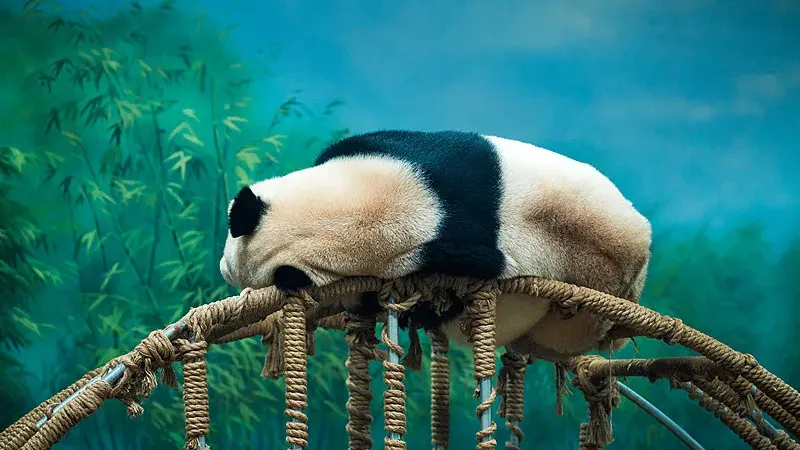
A planning guide to seeing giant pandas in China, centred on Chengdu. Compare the main panda bases — Chengdu, Dujiangyan Panda Valley, Wolong Shenshuping, Ya'an Bifengxia, Qinling and Beijing Zoo — with ticket types, booking windows and travel times, then plan around the animals' own schedule: when to go, how to book with a passport, realistic itineraries, and what responsible panda tourism actually looks like.
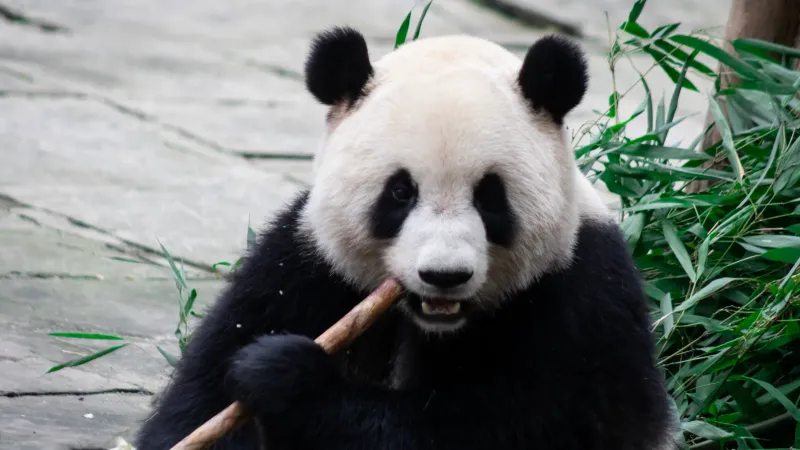
In October 2026, nine-year-old Ran Ran was named to travel to Pairi Daiza in Belgium — stepping in for Hao Hao, who returned to China for medical care, and keeping alive a China–Belgium panda partnership that began in 2014. Hers is a story of wild training, wild-born twins, and a family tree that reaches from Sichuan to Seoul, Taipei and Brussels.
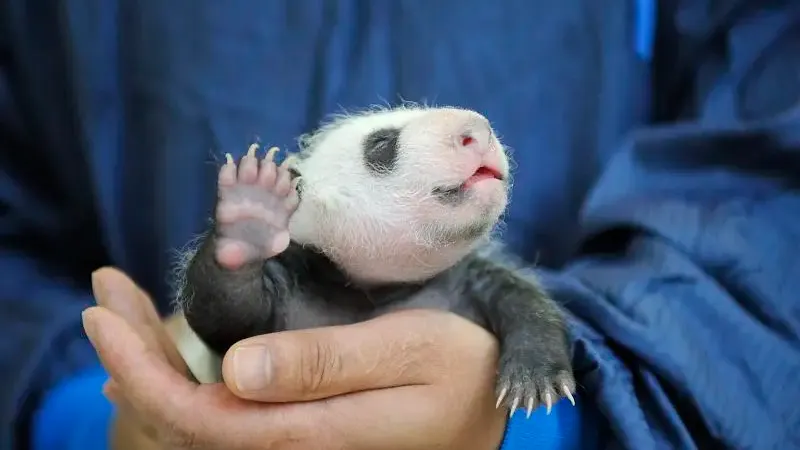
Every captive giant panda on Earth is recorded in a single global database — the International Studbook — which tracks lineage, calculates genetic relatedness, and determines each year's breeding recommendations. This article explains how studbook managers use population genetics software to maintain 90% genetic diversity across 700 captive pandas, making the panda breeding program one of the most mathematically sophisticated conservation efforts in history.
Nearby context
The official site describes the base's current giant panda keeping, display and education areas, and offers visitor reservations. Some areas rotating out of view does not mean the base has no pandas or is closed. · verified 2026-10-28
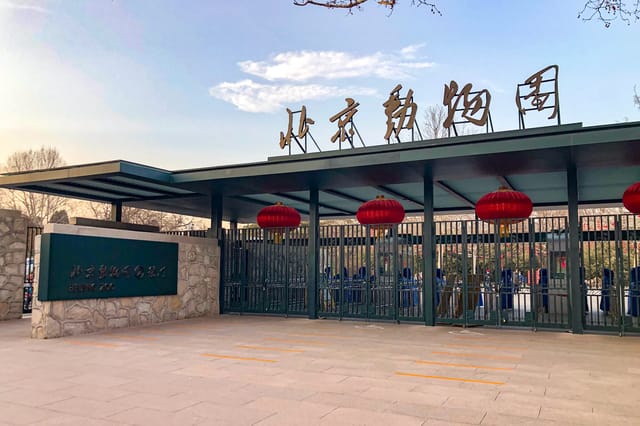
A Beijing Municipal Parks Administration notice confirms the new giant panda house opened on 2026-07-16, and lists panda-house opening hours and ticket prices. This is an open facility, not a planned one. · verified 2026-10-28
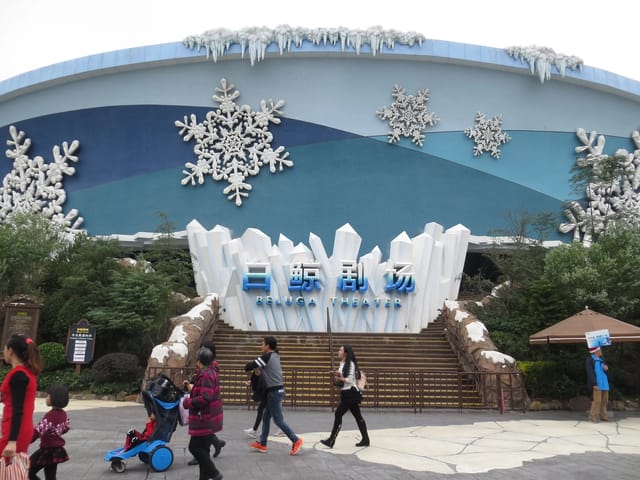
Chimelong's pandas are at the Guangzhou safari park, not the Zhuhai ocean park. · verified 2026-10-28
Wider geography
Move from this institution into the country view for more locations, pandas, and archive context tied to China.
World map
Coordinates: 25.0536 N, 102.7155 E
Official Kunming Urban Greening Bureau park profile of Kunming Zoo (founded 1953, Yuantong Mountain), verified 2026-10-16
Archive notes
Kunming Zoo, located in Wuhua District, Kunming, Yunnan Province, is one of the oldest municipal zoos in southwest China, adjacent to the 4A-level scenic spot Green Lake Park and the main campus of Yunnan University. Home to over 1400 individual animals representing 240 species, its collection includes endemic Yunnan species such as the critically endangered Nomascus concolor (western black crested gibbon), Rhinopithecus bieti (black-and-white snub-nosed monkey, listed as Endangered on the IUCN Red List and Appendix I of CITES), and Elephas maximus (Asian elephant), alongside flagship species Ailuropoda melanoleuca (giant panda). It operates under the supervision of the Kunming Municipal Bureau of Culture and Tourism, and holds formal membership in the Chinese Association of Zoological Gardens.
The zoo's conservation work focuses on endemic species of the Hengduan Mountains and Yunnan-Guizhou Plateau, with long-term collaboration with partners including the China Conservation and Research Center for the Giant Panda, the World Wide Fund for Nature Yunnan Office,