Xing Bao
星宝
13 years old
Qianlingshan Park Zoo
Xing Bao (星宝) is a male giant panda born August 30, 2013 at Madrid Zoo, Spain. Son of Bing Xing and Hua Zui Ba, he was t...
View profilePlace archive
Qianlingshan Park Zoo, located within Qianlingshan Park in central Guiyang, is a historic zoo opened in 1958. In April 2018, two giant pandas from Chengdu Base began an educational residency, adding to the zoo's collection of over 70 species including African lions, red pandas, and primates.
Qianlingshan Park Zoo houses giant pandas under international loan agreement with the China Conservation and Research Center, as part of the cooperative panda diplomacy and ex-situ conservation network.
How this page is organized
This page gathers the residents linked to Qianlingshan Park Zoo, the key moments recorded here, nearby institutions, and the articles that add context.
Resident archive
1 panda recorded
The pandas currently recorded at this institution.
星宝
Xing Bao (星宝) is a male giant panda born August 30, 2013 at Madrid Zoo, Spain. Son of Bing Xing and Hua Zui Ba, he was t...
View profileGallery
Images and video connected to Qianlingshan Park Zoo.
Images and video for Qianlingshan Park Zoo will be added later.
Recorded moments
No update records have been linked to Qianlingshan Park Zoo so far.
In the library
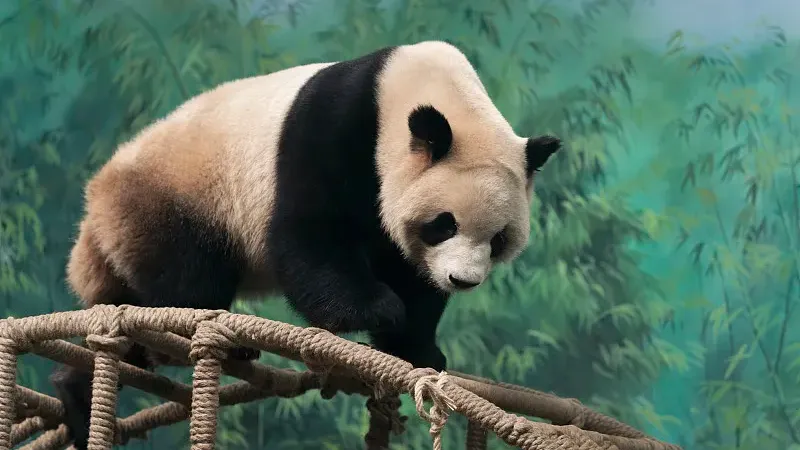
From the 1972 arrival of diplomatic gifts Kang Kang and Lan Lan to the January 2026 departure of Xiao Xiao and Lei Lei, this guide traces every giant panda that has lived in Japan across three institutions — Ueno Zoo, Adventure World in Wakayama, and Kobe Oji Zoo — and explains why Japan, for the first time since 1972, now has none.
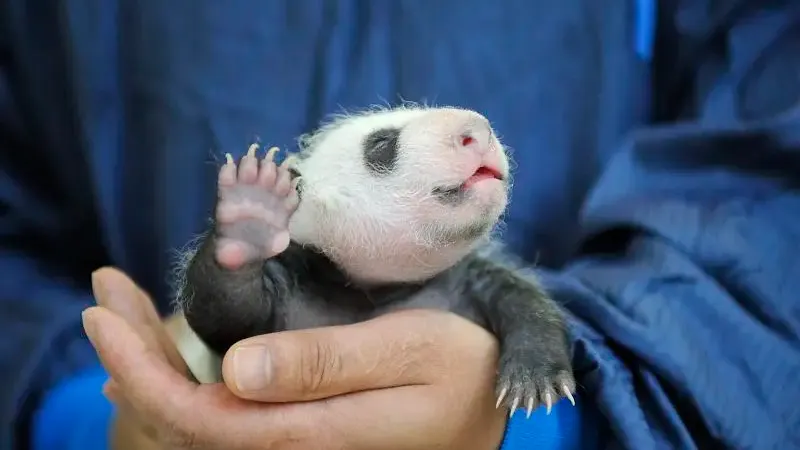
Every captive giant panda on Earth is recorded in a single global database — the International Studbook — which tracks lineage, calculates genetic relatedness, and determines each year's breeding recommendations. This article explains how studbook managers use population genetics software to maintain 90% genetic diversity across 700 captive pandas, making the panda breeding program one of the most mathematically sophisticated conservation efforts in history.
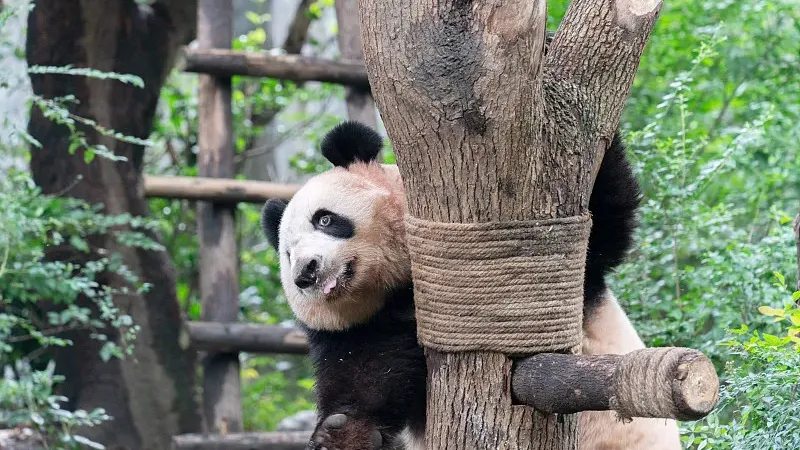
In 2009, an international team led by BGI-Shenzhen published the first complete giant panda genome — a 2.4 billion base-pair blueprint that revealed why pandas lost the taste for meat, how they digest bamboo with bacterial help, and why their genetic diversity offers hope for survival. This article follows the science from Jing Jing's blood sample to today's conservation genomics, covering TAS1R1 umami pseudogenization, the Illumina sequencing revolution, and what the genome means for the species' future.
World map
Coordinates: 26.5675 N, 106.6942 E