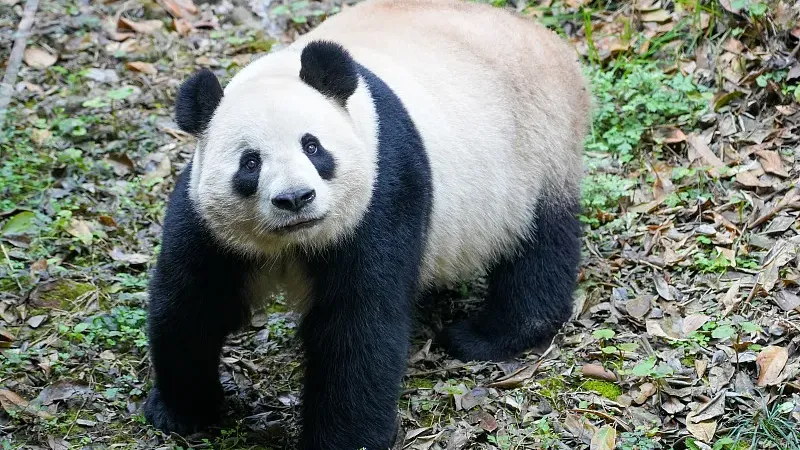
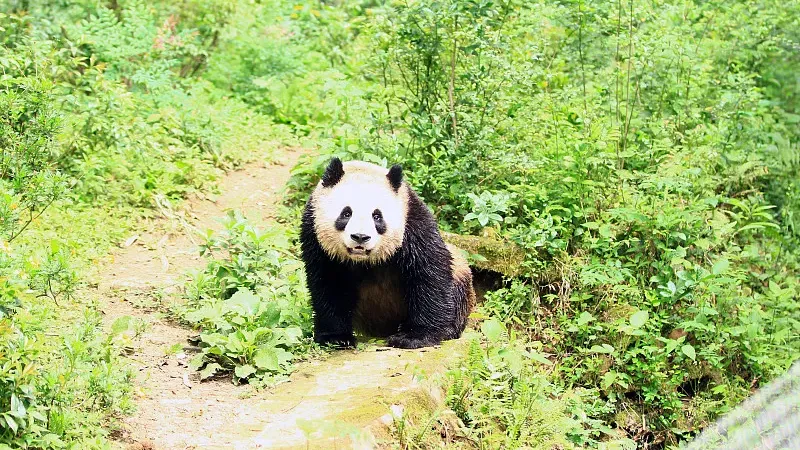
Bao Li
åŽå
Bao Li is a male giant panda born on 2024-05-15 at the China Conservation and Research Center for the Giant Panda. He is...
View profileThe Smithsonian National Zoological Park, located in Rock Creek Park in northwest Washington, D.C., is one of the oldest and most prestigious zoological institutions in the United States, overseen by the Smithsonian Institution. It currently houses over 2,700 individuals representing 390 species, including critically endangered taxa such as the Panamanian golden frog (Atelopus zeteki), the black rhino
Panda conservation location
6
4
1972
0
6
åŽå
Bao Li is a male giant panda born on 2024-05-15 at the China Conservation and Research Center for the Giant Panda. He is...
View profileįžéĻ
Mei Xiang is a female giant panda born on July 22, 1998 at the Chengdu Research Base of Giant Panda Breeding. She is lis...
View profileéåŽ
Qing Bao is a female giant panda born on 2024-05-15 at China Conservation and Research Center for the Giant Panda. She ...
View profileäšäš
Tian Tian is a male giant panda born on August 27, 1997 at the China Conservation and Research Center for the Giant Pand...
View profileææ
Hsing Hsing is a female giant panda born on 1971-01-01 in the wild of Sichuan Province, China. She was captured in 1972 ...
View profileį˛į˛
Ling Ling is a male giant panda born on 1971-01-01 in the wild of Sichuan Province, China. This individual was later tra...
View profileQing Bao moved to smithsonian_national_zoo.
Read moreMei Xiang moved to smithsonian_national_zoo.
Read moreTian Tian moved to smithsonian_national_zoo.
Read moreHsing Hsing moved to smithsonian_national_zoo.
Read moreLing Ling moved to smithsonian_national_zoo.
Read moreDiscover all panda locations, conservation efforts, and panda residents in United States.
Coordinates: 38.9296° N, -77.0498° E
The Smithsonian National Zoological Park, located in Rock Creek Park in northwest Washington, D.C., is one of the oldest and most prestigious zoological institutions in the United States, overseen by the Smithsonian Institution. It currently houses over 2,700 individuals representing 390 species, including critically endangered taxa such as the Panamanian golden frog (Atelopus zeteki), the black rhino